TL;DR

Get self-care favorites delivered free — and shop member deals
- Fast, free delivery on millions of items
- Access to Prime Big Deal Days deals on October 6–7
- Prime Video, Amazon Music and more included
Dermaself and OVS used selfie-based AI skin analysis in a five-day Milan Beauty Week 2026 activation, linking visible skin characteristics to product recommendations from OVS’s catalogue. The experience recorded more than 2,600 completed analyses, but the figures do not establish whether recommendations improved sales or skincare outcomes.
Dermaself and OVS tested selfie-based AI skin analysis in a live, multi-brand retail setting during Milan Beauty Week 2026, recording more than 2,600 completed analyses over five days. The activation connected visible skin-characteristic assessments to skincare recommendations featuring products available through OVS, offering a real-world test of how the technology might help shoppers navigate a large catalogue.
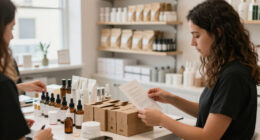
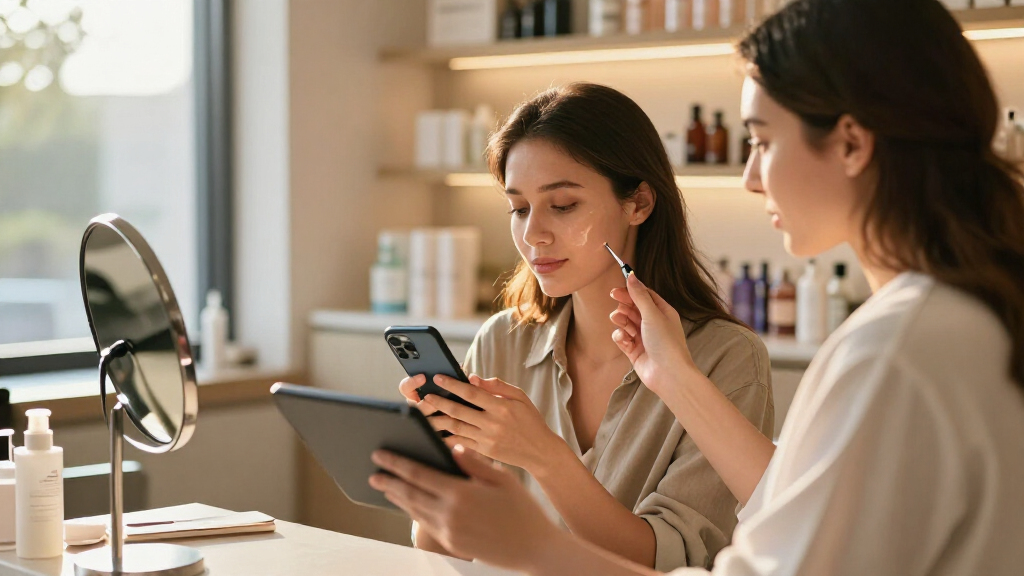
The experience, called Shaka Beauty Hotel × OVS, took place at Garden Senato in Milan and featured 37 beauty brands. Visitors submitted a selfie for an AI analysis of visible parameters, including blemishes, dark spots, wrinkles, pores, redness, hydration and skin laxity. They could then receive a personalised routine by email, along with a 20% discount on recommended products, redeemable at selected OVS stores in Milan.
According to the report, the activation had a 75% completion rate and averaged one completed analysis every 55 seconds. Those figures indicate participation during this particular event; they do not, on their own, show whether shoppers bought the recommended products, returned to the retailer, or achieved particular skincare results.
Dermaself’s approach combines image analysis with ingredient-first product matching. The platform connects its assessment of visible characteristics with product ingredient information, including INCI listings, to identify options in a retailer’s catalogue. In a multi-brand shop, that can make recommendations across brands rather than starting with a single manufacturer’s range.
From Skin Data to Product Discovery
The retail proposition is to make a broad skincare assortment easier to navigate by starting with a shopper’s stated or visually assessed needs. For consumers facing many brands and formulations, a tool that narrows the options may offer a more direct route to relevant products than browsing category pages or relying on brand-led recommendations.
For retailers, the potential extends across online and physical shopping. The source report describes possible uses in e-commerce, through in-store QR codes, tablets or smart mirrors, and as a resource for beauty advisers during consultations. These are described as integration opportunities, not as results demonstrated by the Milan event. The activation’s participation figures show that consumers used the experience in that setting, but provide no evidence of its effect on conversion, basket size or customer satisfaction.
The distinction matters: skin analysis is only one step. Its value to a retailer depends on whether the resulting recommendations are relevant, understandable and useful, and whether shoppers trust how their images and skin-related information are handled.
As an affiliate, we earn on qualifying purchases.
How the Retail Test Worked
Beauty retailers have expanded skincare ranges with products aimed at increasingly specific concerns. A larger assortment can offer more choice while also making it harder for shoppers to compare formulas and identify suitable options. The report presents AI analysis as a way to begin product discovery with visible skin characteristics, then connect those results to ingredients and products already sold by the retailer.
The Milan activation brought that model into an in-person event rather than limiting it to a website. Visitors completed an analysis, received a routine by email and could use a discount at selected OVS stores. Dermaself’s broader platform is described as connecting selfie-based analysis with product catalogue data; the event was a specific retail application of that model, not evidence that the same setup is already deployed across all OVS channels.
As an affiliate, we earn on qualifying purchases.
What the Event Metrics Cannot Show
The published figures do not specify how the 75% completion rate was calculated, including the number of visitors who began an analysis. The report also gives no comparison with ordinary shopping journeys or other forms of product guidance. It is not clear how many visitors used the discount, purchased recommended products, or followed the suggested routines.
The source describes analysis of visible skin characteristics, but does not provide details on validation, accuracy across different skin tones or lighting conditions, or how the tool distinguishes an image-based observation from a medical assessment. It also does not explain how selfies and analysis results are stored, retained or shared. These points matter to shoppers and retailers considering wider use of the technology.
As an affiliate, we earn on qualifying purchases.
Whether the Trial Scales Across Channels
The report identifies e-commerce and store-based tools, including QR codes, tablets and smart mirrors, as possible ways to extend AI skin analysis beyond events. Beauty advisers could also use results to support assisted consultations. It does not announce a rollout schedule or confirm that OVS will adopt the technology across its stores or online catalogue.
The next meaningful indicators would be whether retailers expand the service and publish results that go beyond participation: for example, recommendation uptake, purchases, repeat use and customer feedback. Clear information about image handling and the limits of visual analysis would also help shoppers judge the service. For now, the Milan activation shows how a selfie-to-product journey can work at an event, while its commercial and consumer benefits remain unproven in the available report.
As an affiliate, we earn on qualifying purchases.
Key Questions
What happened at the Milan Beauty Week activation?
Dermaself and OVS offered visitors a selfie-based analysis of visible skin characteristics, followed by skincare recommendations from products available through OVS. The five-day Shaka Beauty Hotel × OVS experience featured 37 beauty brands.
How many people completed an analysis?
The source report says the activation recorded more than 2,600 completed analyses, with a 75% completion rate and an average of one completed analysis every 55 seconds. It does not state the underlying number of people who started the process.
How does ingredient-first product matching work?
Dermaself links the results of its visible-skin analysis to product ingredient information, including INCI data, to identify potentially relevant products in a retailer’s catalogue. The method can include products from different brands.
Does the event prove the tool increases sales?
No. The report provides participation figures but does not give sales, discount-redemption, repeat-use or skincare-outcome data. It also does not compare the activation with another shopping or consultation method.
Is the technology available across OVS stores?
The source describes the Milan event and discusses wider retail and e-commerce uses as possibilities. It does not confirm a broader OVS rollout or provide a timetable.
Source: rss
Halloween Picks
halloween
As an affiliate, we earn on qualifying purchases.