TL;DR

Get self-care favorites delivered free with Prime
- Fast, free delivery on millions of items
- Prime Video, Amazon Music and more included
- Member-only deals all year
A Glamour UK report gathers makeup artists’ advice on five ways to apply blush, including on the apples of the cheeks, across the temples and cheekbones, and for a sun-kissed effect. The guidance focuses on placement, blending and choosing a formula; it is practical beauty advice, not a newly announced product or study.
Glamour UK has published makeup artists’ guidance on five ways to apply blush, explaining how placement can change a makeup look from a natural cheek flush to a more dramatic, sculpted effect. The report draws on professional artists’ recommendations about blending, tools and formulas, giving readers practical options rather than prescribing a single method.
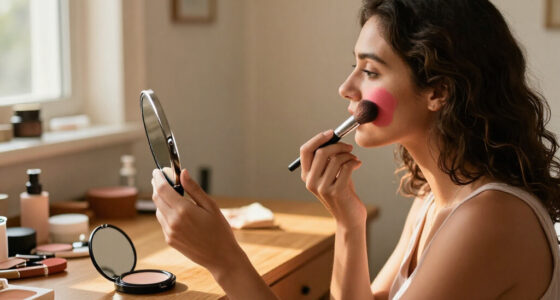
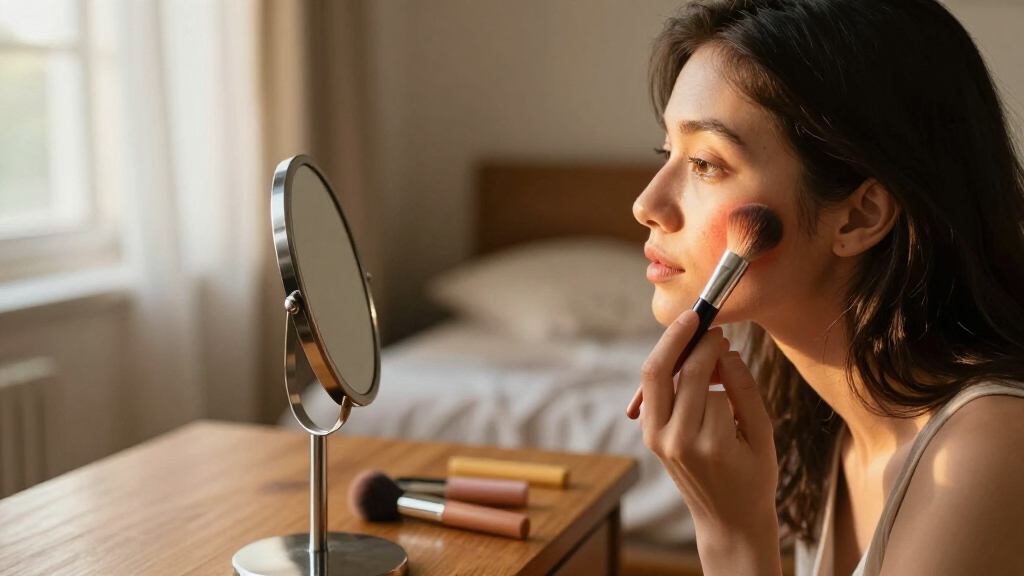
For a classic, natural-looking flush, New York-based makeup artist Elisa Flowers recommends swirling a small amount of blush onto the apples of the cheeks and buffing it in circular motions. She says this approach can brighten and widen the appearance of the face. To help keep placement balanced, Flowers suggests positioning blush about two fingers from the nose and two fingers below the eye. She prefers cream or liquid formulas for this look, saying they blend into skin smoothly and can suit drier skin types.
For a more defined effect, editorial makeup artist Ingeborg describes “draping” blush from the temples down across the cheekbones, framing the face. Flowers also suggests sweeping colour from the upper cheekbones toward the hairline and around the brow area. Makeup artist Joseph Carrillo stresses blending: he recommends layering a stronger shade with a softer colour in the same family, using a denser brush for the deeper pigment and a larger, fluffier brush to soften the edges.
The report also describes a sun-kissed placement, with blush applied over bronzer to diffuse its colour. Makeup artist Carissa Ferreri advises adding a small amount across the bridge of the nose, where sunglasses might rest, and says powder blush layered over cream can help the look last longer. The supplied report introduces five techniques, but its source text cuts off before the full set of instructions is available; it also discusses essential tools, beginner guidance, common mistakes and product formulas.
Placement Changes the Finished Look
The advice matters because blush is not limited to adding colour to the centre of the cheeks. As the artists explain, where the pigment sits affects the overall impression: cheek placement creates a familiar flush, while colour carried toward the temples and hairline gives a more framed or sculpted look. A sun-kissed application spreads colour beyond the cheeks.
The techniques give readers ways to adjust a familiar makeup step without needing a single prescribed product. The report also points to practical factors that affect results: use a light hand, blend the edges, and select a cream, liquid or powder formula suited to the desired finish and layering plan. These are professional recommendations, not controlled comparisons proving that one placement or formula works best for everyone.
As an affiliate, we earn on qualifying purchases.
Why Makeup Artists Vary Placement
The report challenges the idea that blush has one standard position. It compares the everyday approach of applying colour to the apples of the cheeks with editorial draping and a broader, sun-kissed placement. It uses examples of celebrity makeup looks, including Zendaya’s, to illustrate how much placement can alter the effect, but does not present those examples as evidence from a formal study.
Glamour UK attributes its guidance to professional makeup artists, including Flowers, Ingeborg, Carrillo and Ferreri. Their advice covers both technique and application tools, such as fluffy brushes for diffusing colour and denser brushes for more concentrated placement. The source also names featured blush products, but the techniques are presented as general guidance rather than endorsements that a specific product is required.
“You can create a healthy, natural-looking glow by swirling a small dab of colour onto the apples of the cheeks and buffing it out in circular motions.”
— Elisa Flowers, makeup artist, as quoted by Glamour UK
blush brush set for makeup artists
As an affiliate, we earn on qualifying purchases.
As an affiliate, we earn on qualifying purchases.
Limits of the Available Guidance
The supplied source text is incomplete: it begins a section on sun-kissed blush but ends before all five techniques are described. It therefore does not provide enough detail to verify the full set of five methods or reproduce every instruction from the original report. The source lists topics on beginner application, common mistakes, formula differences and wear time, but the material provided does not include the full answers to those questions.
The artists’ comments are expert recommendations, not universal rules. The source does not specify that a particular placement will suit every face, skin type or preference, nor does it provide comparative testing of products or formulas. It also does not state the report’s publication date in the supplied material.
As an affiliate, we earn on qualifying purchases.
Readers Can Adapt the Techniques
The report offers readers several approaches to try, starting with a small amount of colour and building gradually. For a straightforward flush, Flowers’ cheek placement is a starting point; readers seeking a more lifted or dramatic look can experiment with draping and carefully blend the colour toward the hairline. For a sun-kissed effect, Ferreri’s advice is to layer blush over bronzer and keep the nose application subtle.
No further announcement or product launch is identified in the source. The next step for readers is to test placement and formula with their own routine and preferences; additional guidance on all five methods cannot be confirmed from the supplied excerpt.
As an affiliate, we earn on qualifying purchases.
Key Questions
Where should a beginner apply blush for a natural look?
Makeup artist Elisa Flowers recommends placing a small amount on the apples of the cheeks and blending it in circular motions. She suggests leaving about two fingers between the blush and the nose, and two fingers below the eye, to help balance placement.
What does draping blush mean?
Draping means sweeping blush from the temple across the cheekbones to frame the face. The artists quoted by Glamour UK emphasize blending the shades and edges so the colour transitions smoothly.
How do makeup artists create a sun-kissed blush effect?
The report’s advice is to apply blush over bronzer, which artists say can soften the pigment, and add only a small amount to the bridge of the nose. Ferreri also suggests layering powder blush over cream for more staying power.
Which blush formula should I use?
Flowers favors liquid or cream blush for a seamless finish on the cheeks and says these formulas can work well for drier skin types. The source does not establish one formula as best for everyone; the choice depends on the desired finish and how the product will be layered.
Source: rss
Halloween Picks
halloween
As an affiliate, we earn on qualifying purchases.