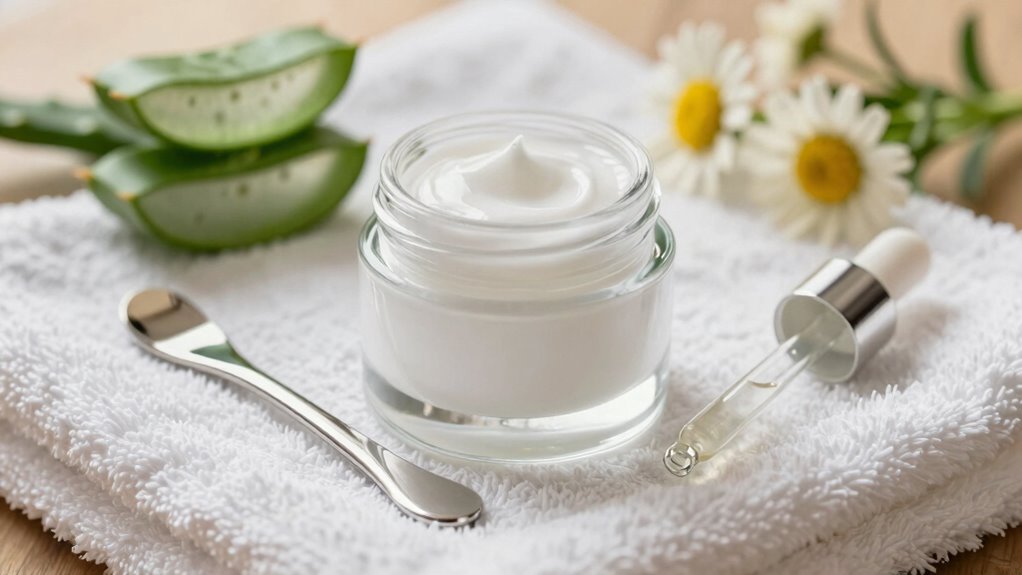

Retinol boosts your skin’s renewal process by stimulating collagen and increasing cell turnover, which helps reduce fine lines, wrinkles, and uneven tone. It works best when you choose the right formula for your skin type and start gradually, applying small amounts a few times a week. Patience is key, as consistent use minimizes irritation and boosts results. If you stick with proper techniques, you’ll find retinol makes a real difference—keep going to learn more about mastering it.

Get self-care favorites delivered free — and shop member deals
- Fast, free delivery on millions of items
- Access to Prime Big Deal Days deals on October 6–7
- Prime Video, Amazon Music and more included
Key Takeaways
- Start with low concentrations and gradually increase to reduce irritation and build skin tolerance.
- Choose formulations suited for your skin type, such as hydrating retinols for dry skin or lightweight options for oily skin.
- Apply retinol on clean, dry skin and follow with moisturizer to minimize dryness and sensitivity.
- Introduce retinol gradually—begin with once or twice weekly—to allow your skin to adapt safely.
- Monitor your skin’s response, adjust frequency or concentration as needed, and be patient for visible results.
As an affiliate, we earn on qualifying purchases.
What Is Retinol and How Does It Improve Your Skin?
Retinol is a powerful skincare ingredient known for its ability to boost skin renewal and reduce signs of aging. It comes in various retinol formulations, from creams to serums, designed to deliver effective results. When you apply retinol, skin absorption plays a vital role in its effectiveness. Well-formulated retinol penetrates deeply, reaching the layers where it stimulates collagen production and accelerates cell turnover. This process helps diminish fine lines, wrinkles, and uneven skin tone. Understanding the retinol formulations that best suit your skin type can optimize absorption and results. The key is choosing formulations that balance stability and absorption, ensuring you get maximum benefits without irritation. As you incorporate retinol into your routine, understanding how it’s absorbed by your skin helps you better appreciate its power to transform your complexion over time. Incorporating well-formulated retinol options can enhance absorption and overall efficacy. Additionally, selecting products with proper stability can prevent degradation, maintaining their potency during storage and use. Proper delivery systems can also improve the penetration and effectiveness of retinol, making it a crucial aspect of formulation. Moreover, understanding skin absorption mechanisms can help you tailor your routine for better results.
retinol cream for sensitive skin
As an affiliate, we earn on qualifying purchases.
As an affiliate, we earn on qualifying purchases.
How to Choose the Best Retinol for Your Skin Type
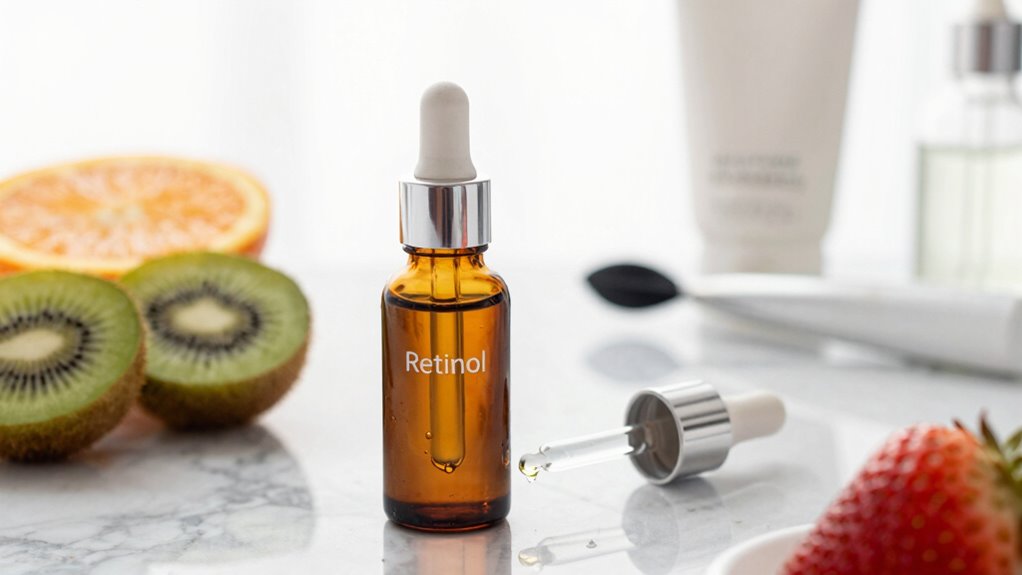
Figuring out which retinol suits your skin type can seem overwhelming, but understanding your skin’s specific needs makes the process much easier. Start by identifying if your skin is oily, dry, sensitive, or combination. For oily or acne-prone skin, look for lightweight, oil-free formulas with lower concentrations. Dry or sensitive skin benefits from hydrating, gentle retinols with added moisturizers. Remember, retinol myths often exaggerate irritation risks; proper skin absorption depends on formulation and your skin type. Using the right flushing mechanisms can help prevent irritation caused by improper application or overuse. Additionally, stair proportions and overall home design details emphasize the importance of tailored approaches—just as selecting the right retinol depends on individual skin needs. Incorporating skin barrier health into your routine can also enhance retinol effectiveness and reduce irritation. Ensuring your skin’s barrier function is strong supports better absorption and minimizes sensitivity. Use this guide to choose wisely: Piercings and skin care can influence how your skin reacts to retinol, so consider your skin’s history with body modifications.
low concentration retinol moisturizer
As an affiliate, we earn on qualifying purchases.
As an affiliate, we earn on qualifying purchases.
How to Start Using Retinol Safely and Effectively
Starting retinol can feel intimidating, but easing into it gradually helps your skin adjust and reduces the risk of irritation. Begin with a small amount of retinol application once or twice a week, then gradually increase frequency as your skin builds tolerance. Always apply retinol to clean, dry skin to maximize skin absorption and minimize potential irritation. Use a pea-sized amount and spread it evenly across your face, avoiding the eye area. Pay attention to how your skin reacts and adjust usage accordingly. Incorporate a gentle moisturizer if needed, especially if you experience dryness or sensitivity. Remember, patience is key—support networks for new dads and consistent, cautious application help your skin adapt and allow you to enjoy the benefits of retinol safely and effectively. Understanding your privacy policy and how your data is managed can also contribute to a comfortable skincare routine, ensuring your browsing experience remains secure and personalized. Additionally, selecting products that support sustainable practices in backyard design can align with a holistic approach to health and well-being. Being aware of skincare ingredients and their effects can further help you make informed choices for your routine. Incorporating knowledge about ethical considerations in product development can enhance your confidence in choosing safe and responsible skincare options.
As an affiliate, we earn on qualifying purchases.
Common Myths About Retinol Debunked
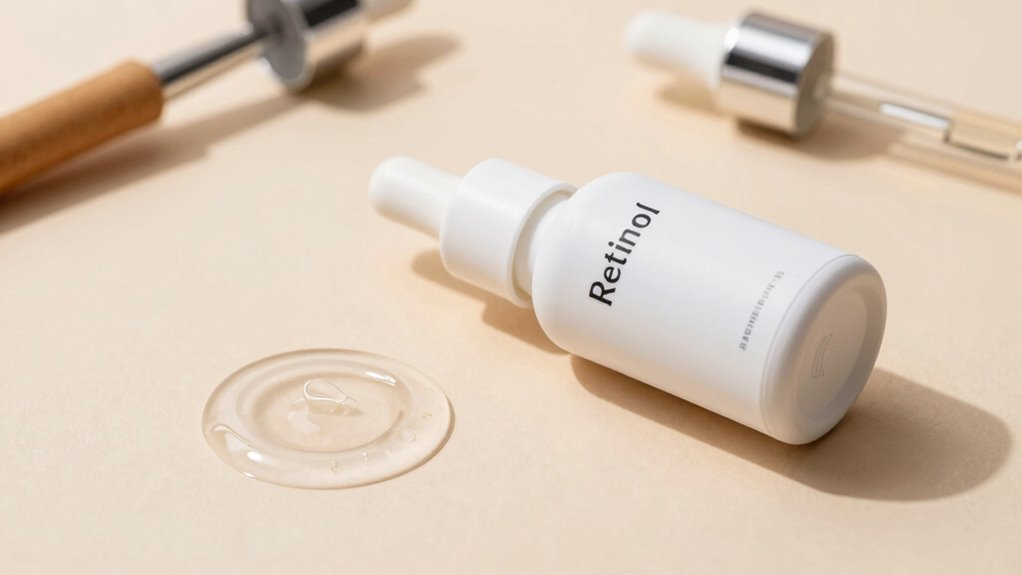
Many people hesitate to try retinol because of common misconceptions that can discourage its use. These skincare misconceptions often lead to fears about irritation or damage. But most retinol myths are just that—myths. For example, some believe retinol is only for aging skin, but it benefits all skin types. Others think it causes severe redness, which isn’t always true with proper use. Here’s a quick look at some skincare misconceptions:
| Myth | Fact | Impact |
|---|---|---|
| Retinol thins skin | It promotes collagen, strengthening skin | Better, healthier skin |
| It causes severe irritation instantly | Gradual use minimizes side effects | Easier to incorporate retinol |
| Only women need retinol | Men can benefit just as much | Versatile skincare solution |
Additionally, understanding lifestyle for longevity can support healthier skin and overall wellness when using retinol. Incorporating skincare ingredients like retinol into your routine with proper guidance can maximize benefits while minimizing risks. Moreover, being aware of the role of contrast ratio in skin health can help you better assess how your skin reacts to various treatments. Recognizing the influence of artistic movements like Cubism and abstract art can also inspire a more nuanced approach to skincare, embracing complexity and diversity in skin types and responses.
How to Minimize Side Effects and Maximize Results
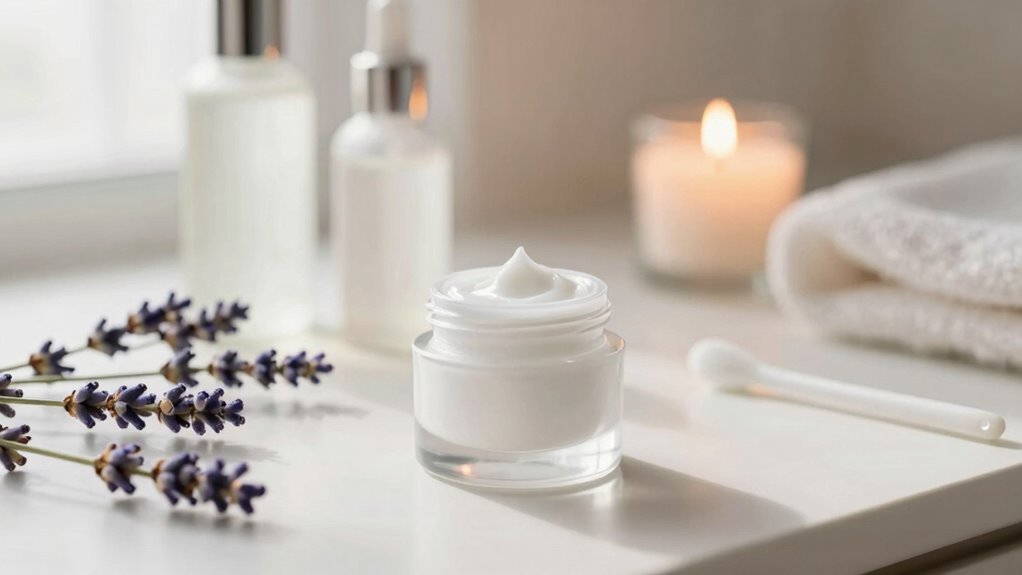
To get the best results from retinol while minimizing side effects, it’s essential to introduce it gradually into your skincare routine. Start with a small amount during retinol application, using it every few nights to allow your skin to build tolerance. Be mindful of ingredient combinations; avoid using retinol with strong acids or irritating products that can increase sensitivity. Always follow retinol application with a moisturizer to reduce dryness and irritation. If you experience redness or peeling, cut back on frequency or switch to a lower concentration. Consistency is key—using retinol regularly helps maximize its benefits while limiting adverse reactions. Remember, patience and proper layering are vital for safe and effective results. Incorporating skin sensitivity awareness can also help prevent overuse and irritation. Additionally, understanding proper product layering can further enhance safety and efficacy. Recognizing retinol’s role in skin health can guide your expectations and usage frequency for optimal outcomes. Practicing gradual introduction can further help your skin adapt smoothly to retinol use. Being attentive to individual skin responses can help tailor your routine for better results.
Troubleshooting Retinol: Fixing Common Issues
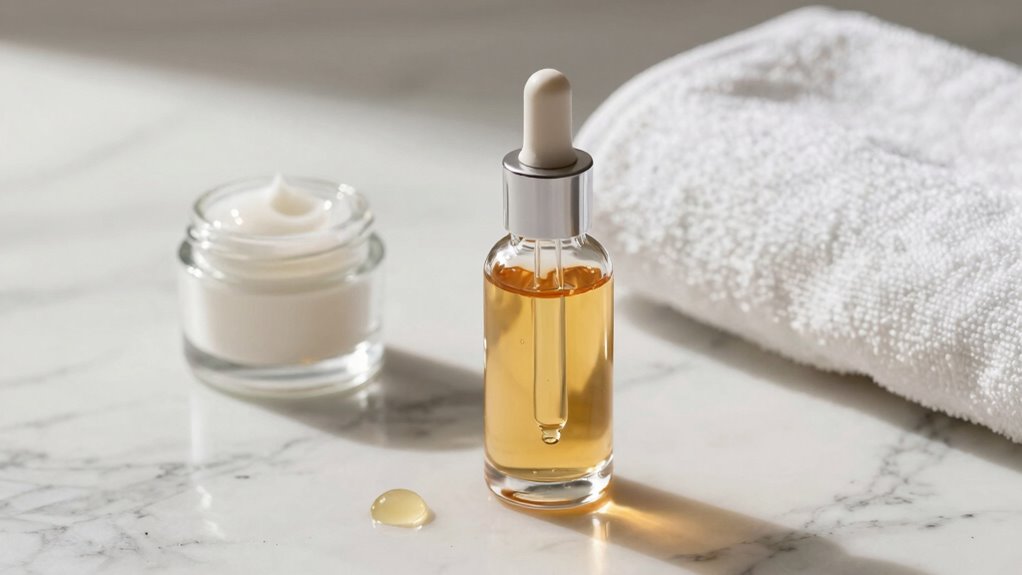
If your skin feels irritated or you’re experiencing breakouts, it’s time to adjust your retinol routine. Managing irritation might mean cutting back on usage or switching to a gentler formula, while breakouts could be a sign to slow down application. Addressing these issues early helps you get the best results without discomfort. Incorporating consistent storytelling about your skincare journey can also help keep you motivated and aware of what works best for your skin.
Managing Skin Irritation
Skin irritation is a common challenge when starting retinol, but with the right approach, you can minimize discomfort and protect your skin. If you have sensitive skin or experience ingredient sensitivity, it’s especially important to introduce retinol gradually. Start by applying it once every few nights and observe how your skin reacts. Use a gentle, hydrating moisturizer afterward to soothe any irritation. Avoid combining retinol with harsh products like exfoliants or alcohol-based toners, which can worsen sensitivity. If you notice persistent redness, burning, or peeling, reduce application frequency or pause use temporarily. Always patch-test new products and listen to your skin’s cues. With patience and proper care, you can manage irritation and safely enjoy retinol’s benefits.
Addressing Breakouts
When you start using retinol, breakouts can sometimes occur as your skin adjusts to the ingredient. Don’t worry—this is often temporary and part of the purging process. To prevent pimples, keep your application light and avoid overdoing it. Focus on pimple prevention by keeping your skin clean and moisturizing regularly. If hormonal acne is causing breakouts, retinol can help over time by regulating skin cell turnover. However, it might take a few weeks to see improvements. If breakouts persist or worsen, consider reducing retinol use or spacing out applications. Always patch test new products and listen to your skin’s response. With patience and consistent care, retinol can help clear stubborn acne while minimizing future breakouts.
Frequently Asked Questions
Can I Use Retinol With Other Skincare Ingredients?
Yes, you can use retinol with other skincare ingredients, but you should be cautious about ingredient interactions. Avoid combining retinol with acids like AHAs or BHAs, which can cause irritation, and be careful when using vitamin C, as it can increase sensitivity. Incorporate these ingredients into your skincare routines gradually, and always patch-test new combinations. This helps prevent irritation and guarantees you get the best results from your regimen.
How Long Does It Take to See Results From Retinol?
You’ll typically see retinol results within 4 to 12 weeks, but it varies based on your skin type and concerns. To avoid common retinol side effects, start with a lower concentration and use retinol application tips like applying it at night and moisturizing well. Patience is key—consistent use helps improve skin texture and tone over time, making the wait worth it for smoother, healthier skin.
Is Retinol Safe During Pregnancy or Breastfeeding?
Did you know that only a small amount of retinol exposure can affect pregnancy safety? During pregnancy, it’s best to avoid retinol, as it can increase the risk of birth defects. For breastfeeding considerations, consult your doctor, since retinol might pass into breast milk. Always prioritize your health and your baby’s safety by choosing dermatologist-approved skincare options and discussing any concerns with your healthcare provider.
What Clothing or Sun Protection Should I Use With Retinol?
You should wear protective clothing and use broad-spectrum sunscreen when using retinol. Opt for lightweight, long-sleeved shirts, wide-brimmed hats, and sunglasses to shield your skin from sun exposure. Always apply a high-SPF sunscreen generously before heading outdoors, even on cloudy days. Combining clothing choices with effective sun protection helps prevent irritation and sun damage, maximizing the benefits of retinol while keeping your skin safe.
How Often Should I Update or Change My Retinol Product?
Think of your retinol like fresh bread; it’s best enjoyed within its shelf life for maximum benefits. You should update or change your retinol product every 6 to 12 months, depending on its storage and expiration date. Proper product storage in a cool, dark place extends its shelf life, ensuring it remains effective. Regularly checking expiration dates helps you avoid using degraded products that might irritate your skin.
Conclusion
Think of retinol as your guiding lighthouse, illuminating the path through foggy skin concerns. With patience and proper use, you’ll navigate safely around myths and side effects, steering toward radiant, healthier skin. Remember, like a lighthouse standing tall against storms, consistent care keeps your skin resilient. Trust the journey, stay informed, and let retinol be your beacon—brightening your complexion and guiding you to confidence with each step.
Fall Picks
fall essentials
As an affiliate, we earn on qualifying purchases.