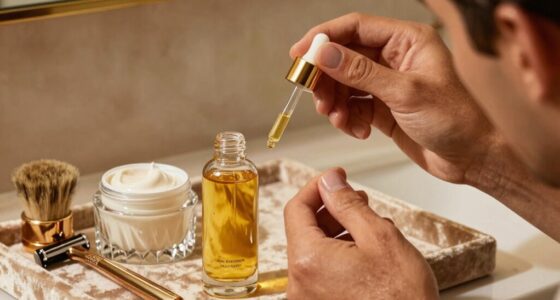

Your skin barrier acts like a shield, keeping moisture in and harmful elements out. It’s essential for healthy, resilient skin, but pollution, harsh weather, and aggressive skincare can weaken it. Signs of damage include dryness, redness, and increased sensitivity. Using gentle cleansers, hydration, and barrier-repair ingredients like ceramides and niacinamide help strengthen it. Keep your skin’s protection in top shape—more tips ahead will show you how to do just that.
Key Takeaways
- The skin barrier protects against environmental damage and retains moisture, crucial for healthy skin.
- Damage signs include dryness, redness, irritation, and dullness, often caused by pollution, harsh weather, or skincare habits.
- Ingredients like ceramides, hyaluronic acid, and niacinamide help repair and strengthen the skin barrier.
- Maintaining hydration, using gentle cleansers, and applying sunscreen are essential daily habits.
- Recognizing early signs of damage allows for targeted care to restore and protect skin resilience.

La Roche-Posay Toleriane Double Repair Face Moisturizer, Daily Moisturizer Face Cream with Ceramide and Niacinamide for All Skin Types, Oil Free, Fragrance Free
Dual-Action – Repair & Long-Lasting Hydration For Face & Neck: Restores skin’s natural protective barrier in just 1…
As an affiliate, we earn on qualifying purchases.
As an affiliate, we earn on qualifying purchases.
What Is the Skin Barrier and Why Does It Matter?

Have you ever wondered why your skin feels smooth and healthy? It’s because of your skin barrier, a essential shield that protects against environmental stress and maintains moisture. Your skin barrier works with your skin microbiome, a community of tiny microbes that support your skin’s health. When this barrier is strong, it keeps harmful elements out and nutrients in. But environmental stress, like pollution or harsh weather, can weaken it. This makes your skin more vulnerable to dryness, irritation, and damage. Keeping your skin barrier healthy isn’t just about looking good—it’s about preventing issues before they start. Understanding how your skin barrier functions helps you choose the right skincare and protect it against everyday environmental stressors. Emerging AI technologies are even being explored to analyze and enhance skin barrier health through innovative skincare solutions. Protecting your skin microbiome can further bolster your skin’s defenses and overall health. Additionally, selecting products that support your skin’s natural barrier function can significantly improve resilience and long-term skin health.
Furthermore, advancements in AI-driven diagnostics are enabling personalized skincare routines tailored to individual skin barrier needs, promising a new era of targeted skin health.
La Roche-Posay Toleriane Double Repair Face Moisturizer, Daily Moisturizer Face Cream with Ceramide and Niacinamide for All Skin Types, Oil Free, Fragrance Free
Dual-Action – Repair & Long-Lasting Hydration For Face & Neck: Restores skin’s natural protective barrier in just 1…
As an affiliate, we earn on qualifying purchases.
As an affiliate, we earn on qualifying purchases.
How Does Your Skin Barrier Get Damaged? Common Causes and Signs
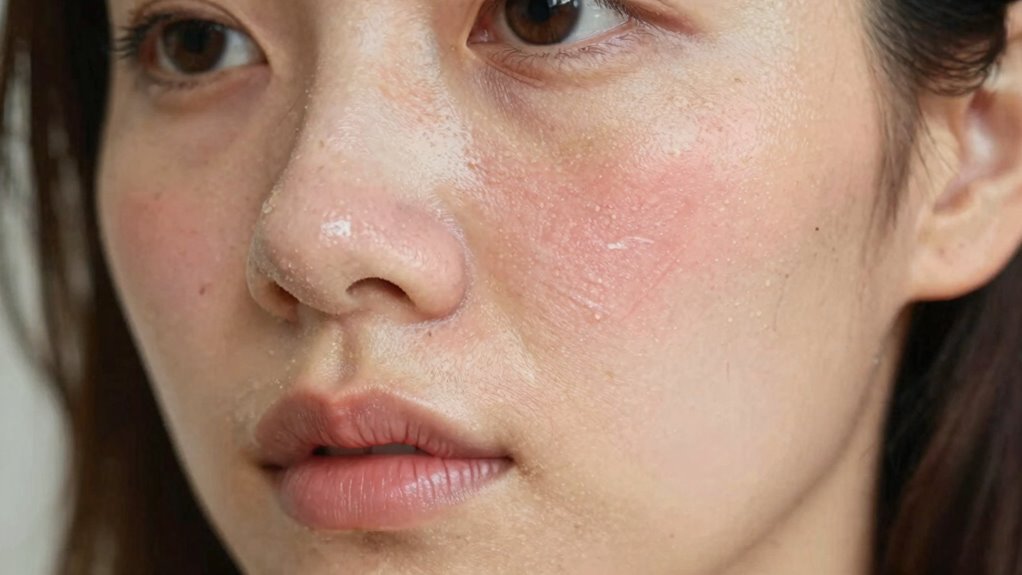
Your skin barrier can become damaged when exposed to various environmental pollutants and lifestyle habits that weaken its structure. Pollution particles, cigarette smoke, and harsh weather can strip away the protective oils and disrupt the skin’s natural function. Indoor air quality can also significantly impact skin health by increasing exposure to microplastics and dust that irritate or weaken the skin barrier. Poor lifestyle habits like excessive sun exposure, smoking, or overusing aggressive skincare products also contribute to damage. When your barrier is compromised, you might notice increased dryness, redness, or irritation. Over time, this can lead to a dull complexion and heightened sensitivity. Recognizing these signs early is key to preventing further damage. Protecting your skin involves minimizing exposure to pollutants, adopting gentle skincare routines, and avoiding habits that weaken your skin’s defenses. Keeping your barrier healthy helps maintain a radiant, resilient complexion. Additionally, understanding skin microbiome diversity can help you better support your skin’s natural defenses and overall health. Maintaining a balanced and healthy skin microbiome is essential for optimal skin barrier function and resilience, especially since environmental factors can influence microbiome stability.

Cerave Hyaluronic Acid Serum for Face with Vitamin B5 and Ceramides, Hydrating Face Serum for Dry Skin, Fragrance Free, 1 Ounce
[ HYALURONIC ACID SERUM ] CeraVe Hydrating Hyaluronic Acid Serum for Face is formulated with our highest concentration…
As an affiliate, we earn on qualifying purchases.
As an affiliate, we earn on qualifying purchases.
How Can You Recognize a Damaged Skin Barrier? Key Symptoms to Watch For
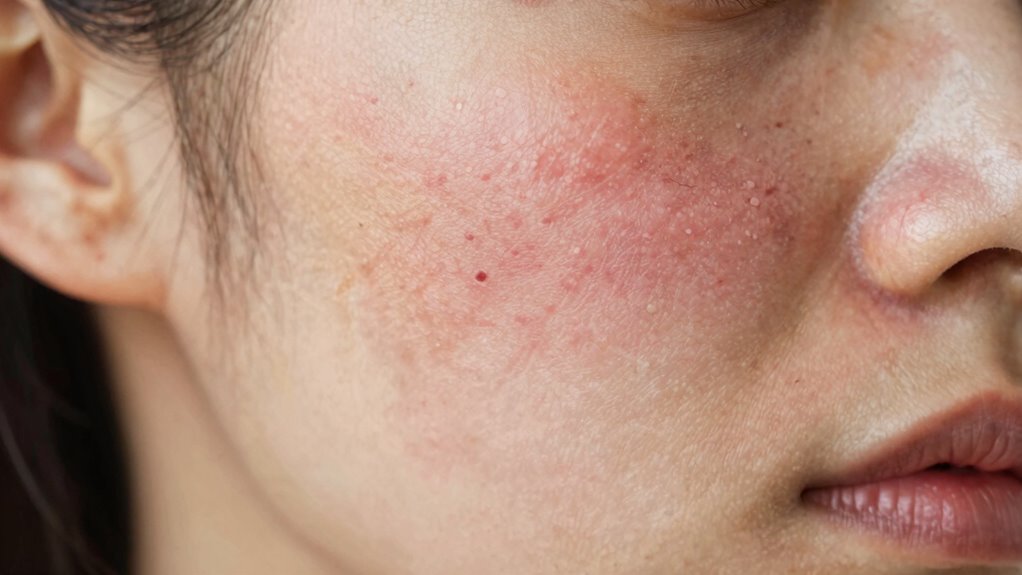
When the skin barrier is compromised, it often shows visible signs that can help you identify the issue early. Look for persistent dryness, flakiness, or rough patches, which indicate your skin isn’t retaining moisture well. You might notice increased sensitivity, redness, or irritation, suggesting your pH balance is off. Your skin may also feel tight or uncomfortable after cleansing, signaling barrier damage. To assess further, try hydration techniques like applying a hydrating serum or moisturizer to see if your skin responds positively. If it doesn’t improve or worsens, your barrier could be compromised. Recognizing these symptoms early allows you to focus on restoring your skin’s pH balance and hydration, essential steps toward repairing a damaged skin barrier and maintaining healthy, resilient skin. Understanding proper skin barrier care can help prevent further damage and promote skin health. Additionally, paying attention to skin barrier function can guide you in choosing the right products and routines for optimal protection. Incorporating moisture retention techniques can also support your efforts in healing and strengthening your skin’s natural defenses.

Good Molecules Soothing Azelaic Acid Cleanser – Gentle Creamy Non-Foaming Face Wash for Oily & Sensitive Skin – Vegan & Fragrance-Free – 120 ml
Gentle Daily Cleanser: A creamy, non-foaming facial cleanser powered by a 3% buffered form of azelaic acid to…
As an affiliate, we earn on qualifying purchases.
As an affiliate, we earn on qualifying purchases.
Which Ingredients Help Repair and Strengthen Your Skin Barrier? Top Picks
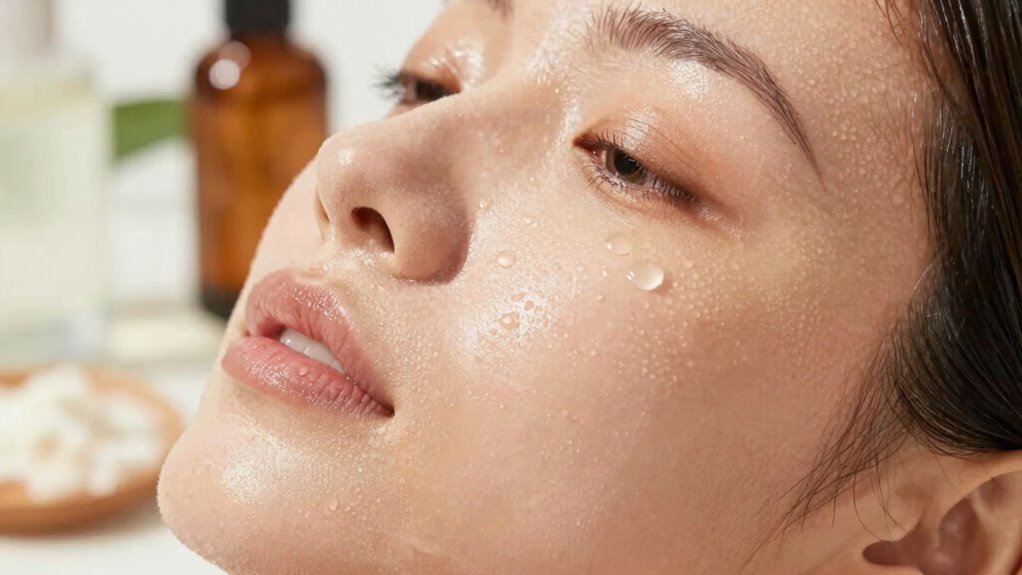
Certain ingredients are especially effective at repairing and strengthening a compromised skin barrier. Hydrating ingredients like hyaluronic acid and glycerin draw moisture into your skin, helping to restore its natural resilience. Barrier repair components such as ceramides, fatty acids, and cholesterol replenish the lipids that protect your skin, preventing further damage. Niacinamide is also powerful, promoting skin barrier function and reducing inflammation. These ingredients work together to reinforce your skin’s defenses, improve its ability to retain moisture, and reduce sensitivity. Incorporating products with these key ingredients into your routine can accelerate healing and make your skin more resilient over time. Prioritizing barrier repair ingredients guarantees you support your skin’s natural healing process and restore its healthy, protective layer. Using herbal and holistic approaches, such as herbal baths and nourishing spices, can complement topical treatments and further enhance your skin’s recovery. Additionally, maintaining proper indoor air quality and humidity can help prevent further irritation and support your skin’s health, especially considering the importance of environmental factors in skin barrier maintenance. Proper skincare routines, including gentle cleansing and moisturizing, also play a crucial role in maintaining your skin barrier’s integrity. Incorporating barrier repair ingredients into your regimen can significantly speed up the recovery process and strengthen your skin’s natural defenses.
Simple Tips to Maintain a Healthy, Resilient Skin Barrier Daily

Maintaining a healthy, resilient skin barrier requires consistent daily habits that prioritize gentle care and protection. Start with effective hydration techniques—drink plenty of water and use moisturizers with humectants to lock in moisture. Protect your skin from the sun by applying broad-spectrum sunscreen daily, even on cloudy days. Avoid harsh cleansers that strip natural oils; instead, opt for gentle, sulfate-free formulas. Incorporate nourishing ingredients like ceramides and fatty acids to reinforce your skin’s defenses. Using well-drained soil and proper planting techniques can also help your skin thrive from within by reducing environmental stressors. Additionally, being mindful of environmental pollutants and air quality can significantly support your skin’s health. Recognizing the importance of skincare routine consistency can further enhance your skin’s resilience over time.
Frequently Asked Questions
Can Diet Impact My Skin Barrier Health?
Yes, your diet can impact your skin barrier health. Nutritional deficiencies, like lacking vitamins A, C, and E, weaken your skin’s protective layer. Eating hydrating foods such as fruits and vegetables helps maintain moisture and supports barrier repair. Make certain you’re getting enough healthy fats, proteins, and antioxidants to strengthen your skin, reduce dryness, and prevent damage. A balanced diet truly plays an essential role in keeping your skin resilient and healthy.
How Does Climate Affect My Skin Barrier?
Climate effects can profoundly impact your skin barrier, exposing it to harsh environmental factors. In cold, dry weather, your skin loses moisture, weakening the barrier and causing irritation. Conversely, hot, humid climates can lead to excess oil production, clogging pores. Sudden weather changes or pollution worsen these effects, making your skin more vulnerable. To protect your barrier, adapt your skincare routine to environmental factors, maintaining hydration and shielding against extreme conditions.
Are There Specific Skincare Routines for Sensitive Skin?
Yes, you should follow a gentle cleansing routine, avoiding harsh scrubs or strong cleansers. Focus on products formulated for sensitive skin, especially those free from potential irritants like fragrances and alcohol. Always check ingredient sensitivity, opting for soothing ingredients like aloe or chamomile. Pat your skin dry and apply a lightweight, hypoallergenic moisturizer. Consistency is key—stick to this routine to help strengthen your skin barrier and reduce irritation.
How Long Does It Take to Repair a Damaged Skin Barrier?
Think of your skin barrier as a fortress slowly mending its walls. Typically, barrier repair and skin recovery take about 2 to 4 weeks, but it varies with your skincare routine and habits. Consistently nourishing your skin with gentle products and avoiding irritants accelerates healing. Patience is key—trust in your routine, and your skin will rebuild its defenses, turning vulnerability into resilience with time and care.
Can Stress Worsen Skin Barrier Damage?
Yes, stress can worsen skin barrier damage. When you’re stressed, your body releases hormones like cortisol, which can increase inflammation and weaken your skin’s protective layer. To protect your skin, focus on stress management techniques like meditation or exercise, and maintain hormonal balance through proper sleep and nutrition. These steps help your skin repair faster and prevent further damage, keeping your barrier strong and healthy.
Conclusion
Taking care of your skin barrier is essential for healthy, glowing skin. Did you know that over 80% of skin concerns stem from a compromised barrier? By understanding the causes, recognizing the signs, and using barrier-friendly ingredients, you can keep your skin resilient and protected. Make simple daily habits a priority, and you’ll notice a noticeable difference in your skin’s overall health and appearance. Your skin’s barrier is your first line of defense—treat it well!