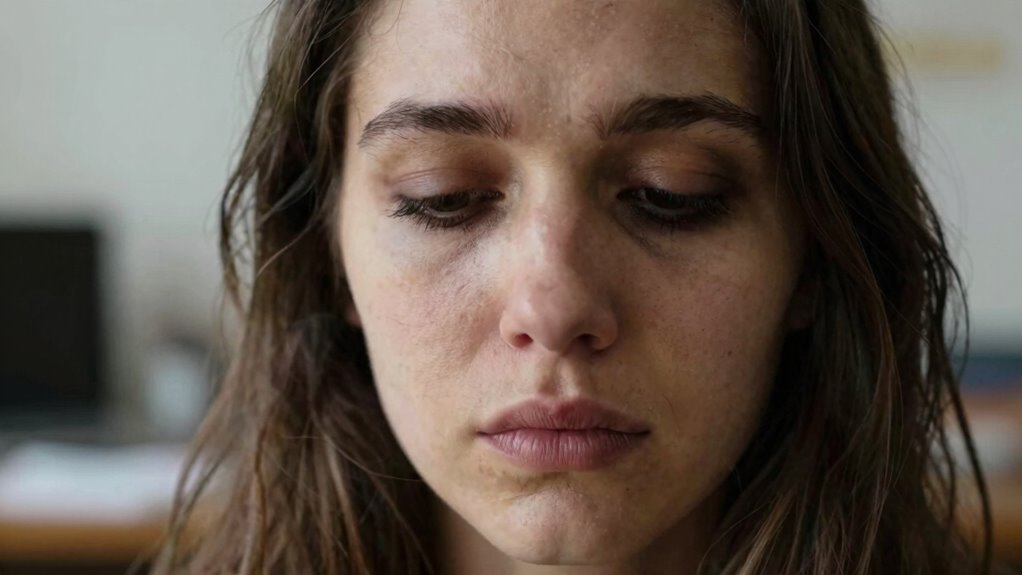

Burnout in women often starts with subtle signs like persistent fatigue, mood swings, and difficulty disconnecting from work, which often go unnoticed. Physical symptoms such as sleep issues or hormonal changes are common but frequently misunderstood as other health problems. Perfectionism, people-pleasing, and societal pressures make it hard to prioritize self-care, increasing burnout risk. Recognizing these early signals and understanding their causes can help you take action before burnout takes over—continue to discover more insights and strategies.
Key Takeaways
- Early burnout signs in women often include subtle emotional changes like irritability, detachment, and lingering fatigue that are easy to overlook.
- Hormonal fluctuations can mask burnout symptoms, causing physical issues mistaken for other health problems.
- Societal expectations around perfectionism and caregiving pressure women to prioritize others over self-care, increasing burnout risk.
- Workplace stress and lack of social support can silently intensify exhaustion and emotional depletion.
- Recognizing small, persistent signs early and setting boundaries are crucial yet often underestimated steps to prevent burnout.

Yogi Tea Relaxation & Stress Relief Variety Pack – 16 Tea Bags per Pack (3 Packs) – Relaxing Tea Sampler – Includes Honey Lavender Stress Relief, Bedtime Tea & Comforting Chamomile
Night Time Tea Variety Pack: The Yogi Tea Relaxation and Stress Relief Variety Pack Sampler includes three delicious…
As an affiliate, we earn on qualifying purchases.
As an affiliate, we earn on qualifying purchases.
How Can You Recognize the Early Signs of Burnout in Women?

Have you noticed persistent fatigue or a sense of being overwhelmed even after resting? That’s often an early sign of burnout in women. Pay attention to how your work-life balance feels; if work starts to dominate your thoughts or leisure time, it’s a warning sign. Struggling to disconnect or feeling constantly exhausted signals you might be heading toward burnout. Building social support is vital—lean on friends, family, or colleagues who can listen and offer encouragement. If you’re neglecting your well-being or feeling increasingly isolated, these are signs your mental health needs attention. Recognizing these early indicators helps you take action before burnout worsens, allowing you to prioritize self-care and seek the support that’s essential for recovery. Regularly assessing your mental and emotional well-being can also help you catch signs of burnout early and maintain a healthier balance. Incorporating mindfulness practices into your daily routine can strengthen your resilience against stress and burnout. Additionally, understanding the importance of home theatre projectors in creating a relaxing environment can support your mental health by providing a comforting space for unwinding. Developing stress management techniques tailored to your lifestyle can further enhance your ability to cope with daily pressures. Exploring natural relaxation methods such as calming outdoor spaces or soothing sounds can also be beneficial in managing stress effectively.

Breathing Lamp Guided Visual Meditation Tool for Mindfulness,Anxiety Relief&Calm Your Mind for Stress&Visual Relaxation and Restful Sleep,478 Seconds Breathing Rate Change 3 Colors,Gift for Kids
Breathing Lamp Function: A mindful breathing lamp is a powerful and effective tool that can help you reduce…
As an affiliate, we earn on qualifying purchases.
As an affiliate, we earn on qualifying purchases.
What Are the Subtle Mood Changes That Signal Burnout?
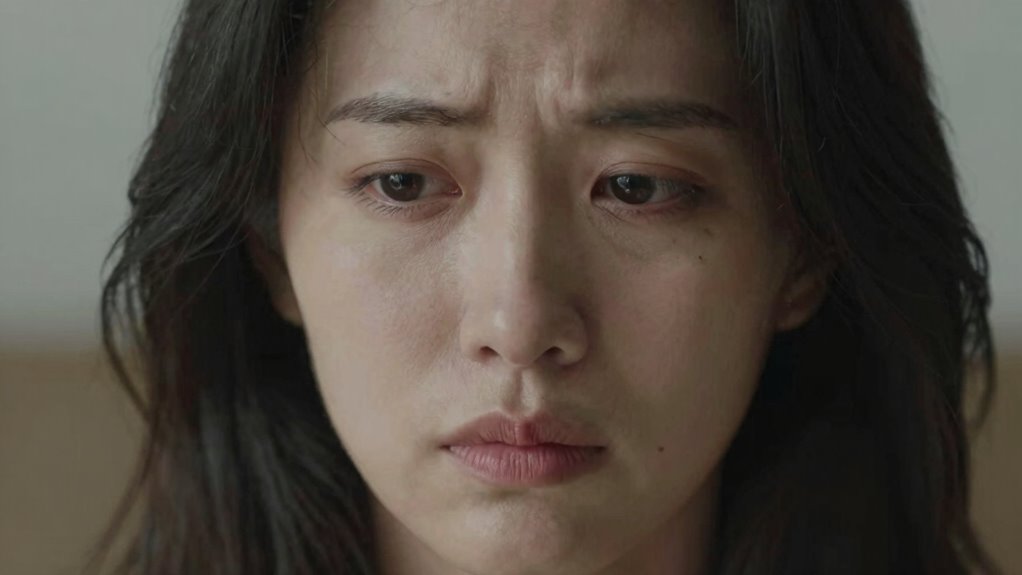
As burnout takes hold, subtle mood shifts often appear before more obvious emotional symptoms emerge. You might notice emotional fluctuations that seem out of character or a sense of subtle fatigue that lingers longer than usual. These small changes can be easy to overlook but signal underlying stress. Here are three signs to watch for:
Subtle mood shifts and lingering fatigue can signal early burnout—notice these signs to prevent emotional exhaustion.
- Increased irritability or sudden mood swings
- Feelings of detachment or emotional numbness
- Persistent sense of being overwhelmed or anxious
Additionally, recognizing emotional horsepower can help you gauge how much your emotional resilience is being taxed. These subtle shifts often come before more noticeable emotional exhaustion. Recognizing these signs early helps you address burnout before it worsens. Pay attention to your emotional fluctuations—they’re your body’s way of signaling that you need to pause and reset. Being aware of early warning signs can empower you to take proactive steps toward maintaining your wellness.

Rossetta 3D Projector, 60 Themes HD 3D Galaxy Projector with Bluetooth Speaker & Remote, 1H/2H Timer, Night Light for Bedroom, Home Decor, Party, Birthday & Christmas Gifts for Adults, Girls, Boys
Experience a Cinematic HD 3D Universe: The innovative 4-in-1 design combines a 3D projector, ambient lighting, night light,…
As an affiliate, we earn on qualifying purchases.
As an affiliate, we earn on qualifying purchases.
Physical Signs of Burnout Women Often Overlook

Did you know that some physical signs of burnout often go unnoticed because they’re subtle or mistaken for other health issues? You might experience hormonal fluctuations that cause unpredictable mood swings, weight changes, or irregular periods. Sleep disturbances, like difficulty falling asleep or waking up exhausted, are also common but easily overlooked. These signs indicate your body is under stress, even if you don’t feel fatigued physically. Recognizing these symptoms early helps prevent burnout from worsening. Additionally, understanding how celestial influences might subtly affect your overall well-being can offer further insight into unexplained health changes. Being aware of hormonal imbalances can help you better interpret these subtle signals. Regular self-care and stress management techniques are essential for maintaining your health and preventing burnout. Just as drone bees play a crucial role in maintaining hive stability, your body’s subtle signals are vital for keeping your health balanced and resilient. Recognizing the importance of body awareness can also empower you to respond proactively to these signs before they escalate.

Tiny Shifts: How Emotional Health Transforms Stress, Relationships, and Longevity
As an affiliate, we earn on qualifying purchases.
As an affiliate, we earn on qualifying purchases.
How Perfectionism and People-Pleasing Increase Burnout Risks?

Perfectionism and people-pleasing tendencies can markedly elevate your risk of burnout because they push you to constantly meet unrealistic standards and seek approval from others. These habits trap you in a cycle of overcommitment and self-criticism. Recognizing common perfectionism traps is essential, such as:
- Setting unattainable standards and feeling failure is inevitable
- Prioritizing others’ needs over your own to gain validation
- Struggling to delegate or ask for help due to fear of imperfection
People-pleasing tendencies reinforce these traps, making it difficult to say no or set boundaries. Over time, this relentless pursuit of approval and perfection drains your energy, increases stress, and heightens burnout risk. Embracing self-awareness and compassion can help you develop resilience and live more in alignment with your true self, reducing the likelihood of burnout. Understanding how perfectionism can distort your self-expectations is crucial for breaking free from this cycle. Additionally, cultivating awareness of emotional exhaustion can help you identify early signs of burnout before they become overwhelming. Being mindful of vetted deals like stress management techniques can further support your well-being and prevent burnout from escalating.
Why Women Struggle to Prioritize Rest and Self-Care?

Women often find it challenging to prioritize rest and self-care because societal expectations and internalized beliefs pressure them to put others first. Gender roles often reinforce the idea that women should be caregivers, nurturers, and self-sacrificing, making it feel selfish to focus on their own needs. You may worry about being perceived as weak or uncommitted if you take time for yourself. Additionally, societal norms can create guilt or shame around setting boundaries, leading you to neglect your well-being. These ingrained messages make it difficult to see self-care as essential rather than indulgent. For example, understanding the different brewing methods can help you create a relaxing self-care ritual through mindful coffee brewing. As a result, you might prioritize others’ needs over your own, increasing the risk of burnout and emotional exhaustion. Recognizing how social conditioning influences these beliefs can be a powerful step toward change. Exploring cultural narratives around women’s roles can help challenge these deep-seated expectations. Gaining awareness of societal influences can further empower you to break free from limiting stereotypes. Incorporating creative problem-solving into your daily routine can help challenge these societal expectations and find personalized ways to prioritize your well-being. Overcoming these barriers requires challenging societal expectations and redefining what self-care truly means.
The Link Between Chronic Stress and Burnout Symptoms

Chronic stress gradually wears down your mental and physical resilience, making burnout symptoms more likely to surface. When workplace dynamics are demanding or unsupportive, stress accumulates, intensifying fatigue and emotional exhaustion. Without sufficient social support, you may feel isolated, which worsens your stress levels. This ongoing strain can lead to:
- Increased irritability and mood swings
- Physical symptoms like headaches or muscle tension
- Feelings of disengagement or detachment from work and personal life
The combination of workplace challenges and limited social support weakens your ability to recover from stress, heightening burnout risk. Recognizing this link helps you understand the importance of managing stress and fostering connections to protect your mental health.
What Actions Can You Take When You Notice Burnout Signs?

When you notice signs of burnout, taking proactive steps can make a significant difference in restoring your well-being. Focus on improving your work-life balance by setting boundaries and prioritizing tasks to avoid overload. Don’t hesitate to delegate responsibilities or say no when necessary. Reaching out for social support is essential—talk to friends, family, or colleagues who can offer understanding and encouragement. Taking time for self-care, like exercise, hobbies, or relaxation techniques, helps replenish your energy. Recognize that addressing burnout is a process; small, consistent actions build resilience. By actively managing your boundaries and leaning on your support network, you can regain control and prevent burnout from worsening. Additionally, understanding the signs of burnout can help you identify early warning signals and take timely action. Incorporating self-care strategies, such as mindful relaxation or hobbies, can significantly boost your recovery process. Remember, prioritizing your emotional well-being is crucial in maintaining overall health and resilience.
How to Prevent Burnout Before It Takes Over
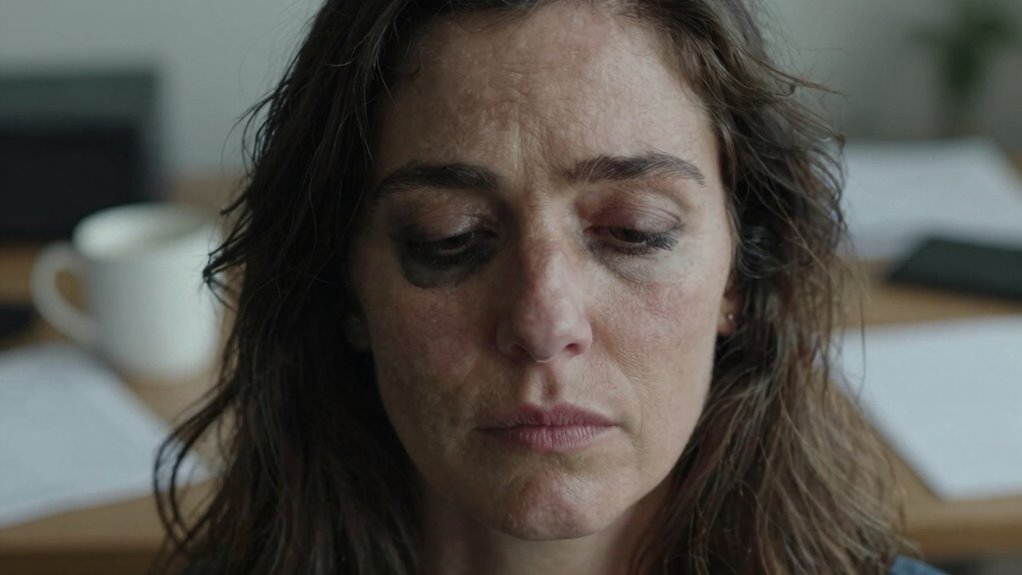
You can prevent burnout by paying attention to early warning signs and acting quickly. Prioritize self-care routines that recharge your energy and keep your stress levels in check. Setting healthy boundaries around work and personal life helps you stay balanced and avoid overwhelming yourself.
Recognize Early Warning Signs
Recognizing early warning signs of burnout is essential to preventing it from taking hold. When your work life balance starts slipping or emotional resilience weakens, it’s a red flag. Pay attention to these signs:
- Constant exhaustion, even after rest
- Increased irritability or emotional outbursts
- Feeling detached from work and personal life
Prioritize Self-Care Regularly
Prioritizing self-care regularly is one of the most effective ways to prevent burnout before it takes over. Incorporate mindfulness techniques into your daily routine to stay grounded and aware of your emotional state. Simple practices like deep breathing or meditation can help reduce stress and increase resilience. Effective time management is also essential; plan your day to include breaks and leisure activities that recharge you. Recognize your limits and avoid overcommitting yourself, ensuring you have space for self-nurturing activities. Making self-care a non-negotiable part of your schedule helps you maintain balance and prevents exhaustion. Regularly tending to your mental and physical well-being keeps burnout at bay and boosts your overall resilience.
Set Healthy Boundaries
Setting healthy boundaries is essential to prevent burnout before it takes root. Boundaries protect your energy and foster healthy communication, allowing you to express your needs clearly. To build emotional resilience, try these steps:
- Say no without guilt, recognizing your limits.
- Communicate openly with others about what you can and cannot do.
- Prioritize your well-being by scheduling time for yourself.
Frequently Asked Questions
Can Burnout Symptoms Differ Across Age Groups in Women?
Burnout symptoms can indeed differ across age groups in women. Younger women might experience emotional exhaustion and stress from balancing work and personal life, while older women may face physical fatigue or burnout related to caregiving roles. To manage this, prioritize your work-life balance and adopt tailored self-care strategies. Recognizing these age-specific signs helps you address burnout early and maintain your overall well-being effectively.
How Do Hormonal Changes Influence Burnout Symptoms?
Hormonal fluctuations markedly influence burnout symptoms in women. As hormones like estrogen and progesterone shift, you might experience mood disturbances, such as irritability or sadness, making burnout feel more intense. These changes can also cause fatigue, sleep issues, and decreased motivation. You may notice that during certain phases, burnout symptoms worsen, highlighting how hormonal variations directly impact your mental and physical resilience, intensifying your overall stress levels.
Are There Specific Career Types More Prone to Women’s Burnout?
You’re risking burnout if you work in high-stress careers like healthcare, teaching, or corporate leadership, especially without prioritizing work-life balance. These roles often demand long hours and little flexibility, making it easy to neglect your well-being. Women in such careers need to advocate for workplace flexibility and set boundaries to protect their mental health. Recognizing these risks early can help prevent burnout from consuming your life.
What Role Does Social Support Play in Preventing Burnout?
Social support plays a vital role in preventing burnout by strengthening your emotional resilience and fostering community engagement. When you connect with trusted friends, family, or colleagues, you build a safety net that helps you manage stress more effectively. Engaging with your community provides a sense of belonging and purpose, which shields you from feelings of isolation and overwhelm, ultimately reducing your risk of burnout.
Can Burnout Lead to Long-Term Mental Health Issues?
Burnout can indeed lead to long-term mental health issues like anxiety and depression if left unaddressed. It hampers your stress management skills and weakens emotional resilience, making it harder to cope with daily challenges. You might find yourself overwhelmed, exhausted, or disconnected over time. Prioritizing self-care, seeking support, and developing healthy coping strategies are essential to prevent burnout from turning into lasting mental health problems.
Conclusion
Think of burnout as a slow leak in your emotional tank—if you ignore the signs, it can leave you completely drained. Stay attuned to your mood, body, and stress levels, and don’t hesitate to fill your tank with rest and self-care. Recognizing early warning signs is like patching that leak before it bursts. Prioritize yourself—you’re the most valuable part of your life’s puzzle. Keep yourself whole, and burnout won’t stand a chance.