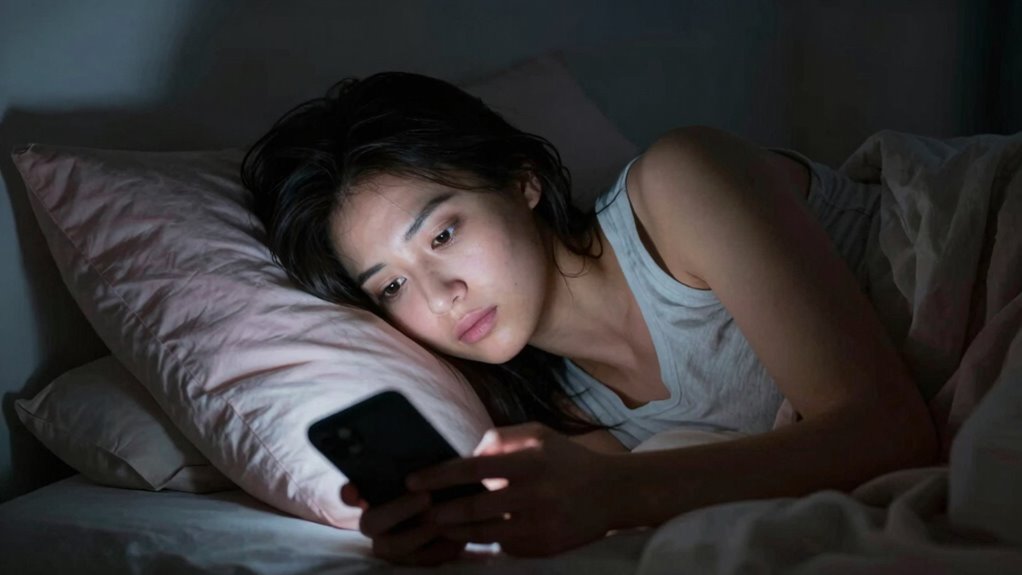

Excessive screen time can secretly disrupt your sleep and impact your mental health. Blue light from devices suppresses melatonin, making it harder to fall asleep, while constant notifications increase anxiety and stress. To improve your rest, consider turning off screens an hour before bed, creating a calming bedroom environment, and setting boundaries around device use. If you keep exploring, you’ll discover practical ways to protect your sleep and boost your well-being in a digital world.
Key Takeaways
- Excessive screen time before bed suppresses melatonin, leading to poorer sleep quality and increased stress.
- Digital overuse can heighten anxiety and loneliness, impacting women’s mental health and emotional resilience.
- Establishing screen curfews and routines promotes better sleep and reduces digital-related worries.
- Creating a calming, screen-free sleep environment supports restful rest and overall well-being.
- Prioritizing offline activities like journaling or gentle stretches helps women disconnect and improve sleep hygiene.

Gaoye Stylish Eyewear Frame Accessories – Blue Light Glasses for Woman – Computer Glasses for Blue Light Blocking
[Filter Blue light Glasses] Blue light filterer with UV400 protection, help you resist harmful blu-ray, reduce discomfort from…
As an affiliate, we earn on qualifying purchases.
As an affiliate, we earn on qualifying purchases.
Why Excessive Screen Time Disrupts Women’s Sleep and Well-Being
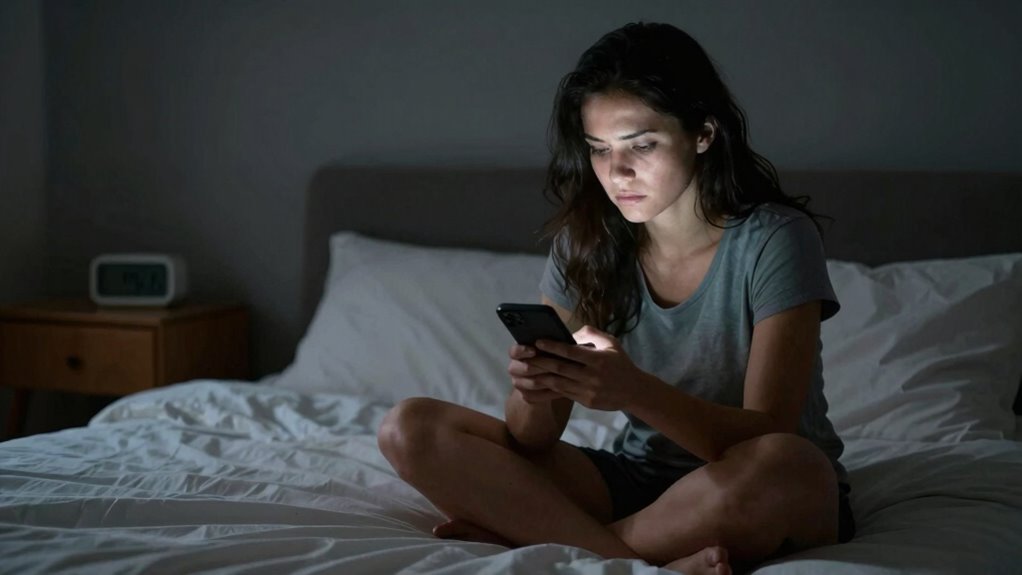
Have you ever noticed how scrolling through your phone late at night makes it harder to fall asleep? Excessive screen time interferes with your sleep hygiene by exposing you to blue light, which suppresses melatonin—the hormone that helps you feel sleepy. This disruption can leave you feeling tired and stressed, affecting your overall well-being. To improve your sleep, consider a digital detox before bed; turn off devices at least an hour before sleeping. Establishing a routine that minimizes screen exposure helps your body recognize when it’s time to wind down. Prioritizing good sleep hygiene isn’t just about avoiding screens but creating habits that support restful sleep, allowing your body and mind to recover and stay healthy. Using techniques like lighting control can also help optimize your environment for better sleep quality. Additionally, staying informed about emerging trends in digital health can empower women to make more mindful choices about technology use and sleep habits. Being aware of the impact of blue light on sleep health enables you to take proactive steps to protect your circadian rhythm.

Wivety Amber Sleep Light Bulbs 1600K with Remote Control, E26 Blue Light Blocking A19, 9W for Sleep Therapy, Baby Nursery, Bedroom (4 Packs)
Amber Light Bulbs (Blue Light Blocking): The sleep light bulbs with remote features a 1600K color temperature amber…
As an affiliate, we earn on qualifying purchases.
As an affiliate, we earn on qualifying purchases.
How Screen Use Impacts Women’s Mental Health and Rest
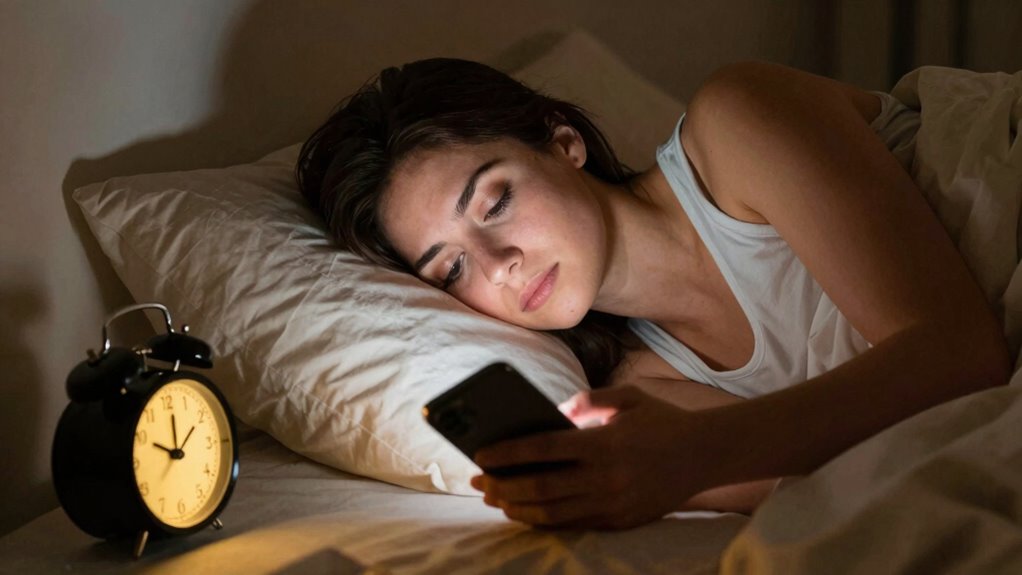
Excessive screen use can profoundly impact women’s mental health and rest by increasing feelings of anxiety, depression, and stress. Constant notifications and social media can erode your emotional resilience, making it harder to cope. Setting digital boundaries helps protect your mental space and fosters healthier habits. When screens dominate your time, you might experience:
Excessive screen time can harm women’s mental health, increasing anxiety, depression, and stress. Set boundaries to protect your well-being.
- Heightened worries and negative self-talk
- Difficulty disconnecting from stressors
- Sleep disruptions from blue light exposure
- Reduced capacity for emotional regulation
- Feelings of loneliness despite online interactions

Digital Detox Journal: 4-week Digital Detox Program with Practical Exercises
As an affiliate, we earn on qualifying purchases.
As an affiliate, we earn on qualifying purchases.
Practical Tips for Women to Cut Down Screen Time Before Bed
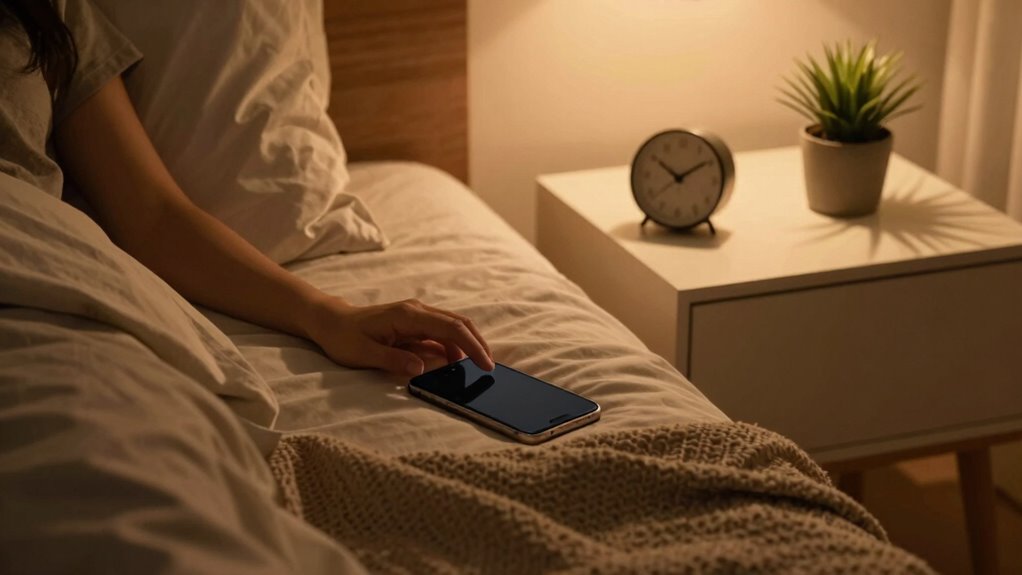
Reducing screen time before bed can markedly improve your sleep quality and overall well-being. Start your tech detox at least an hour before bed by replacing screen time with calming activities like reading, journaling, or gentle stretches. Establish a consistent bedtime routine that signals to your body it’s time to wind down—this helps your mind disconnect from digital distractions. Turn off notifications to resist the urge to check your devices. Consider setting a specific “screen curfew” to create boundaries around evening device use. Using blue light filters or glasses can also help reduce the impact of screens if you must use them closer to bedtime. Incorporating power management techniques, such as dimming your screen brightness, can further lessen eye strain and enhance relaxation. Additionally, understanding the symbolism of clocks and time can motivate you to prioritize sleep and establish healthier habits. Incorporating retro-inspired visual elements like calming sound frequencies during your wind-down period can further promote relaxation and prepare your mind for restful sleep. These simple adjustments will help you phase into sleep more easily and enjoy more restful nights.

Upgraded 2 in 1 Bedtime/Morning Routine Chart – Magnetic Chore Chart for Toddlers, Cute Visual Schedule Board for Home, Kids Checklist to Do List ADHD Tools
2024 UPGRADED 2-IN-1 MORNING/BEDTIME ROUTINE CHART FOR KIDS – The easy-to-slide sliders make it simple for little hands,…
As an affiliate, we earn on qualifying purchases.
As an affiliate, we earn on qualifying purchases.
Creating a Sleep-Friendly Environment Free of Screens
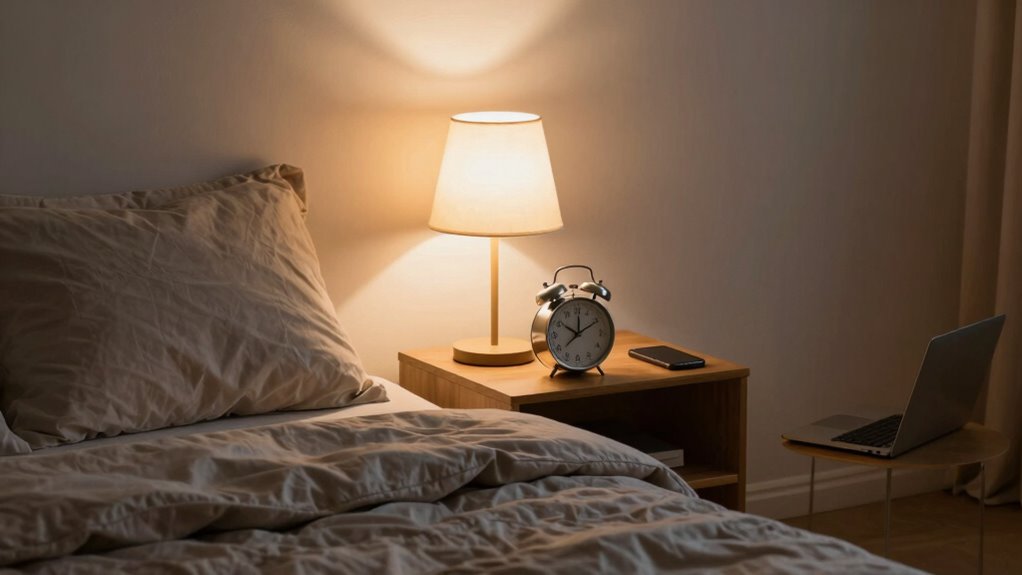
Creating a sleep-friendly environment involves more than just turning off screens; it’s about designing your space to promote relaxation and signals to your body that it’s time to rest. To build your sleep sanctuary, prioritize a tech detox before bedtime. Remove screens from your bedroom, replacing devices with calming elements. Keep the room cool, dark, and quiet to enhance sleep quality. Use blackout curtains, a white noise machine, or a fan to block external disturbances. Incorporate soothing textures and calming colors to foster tranquility. Avoid bright screens and notifications that can disrupt melatonin production. A well-designed sleep environment signals your body that it’s time to wind down, making it easier to fall asleep naturally and enjoy restful nights. Consider integrating wall art trends like calming murals or digital frames displaying relaxing imagery to further enhance your space and promote relaxation before bedtime. Additionally, choosing appropriate lighting can help reinforce your body’s natural sleep cues, further supporting restful sleep. Proper ventilation and maintaining optimal indoor air quality can also contribute to better sleep by reducing allergens and pollutants that disturb rest.
Simple Ways Women Can Prioritize Rest in a Digital World
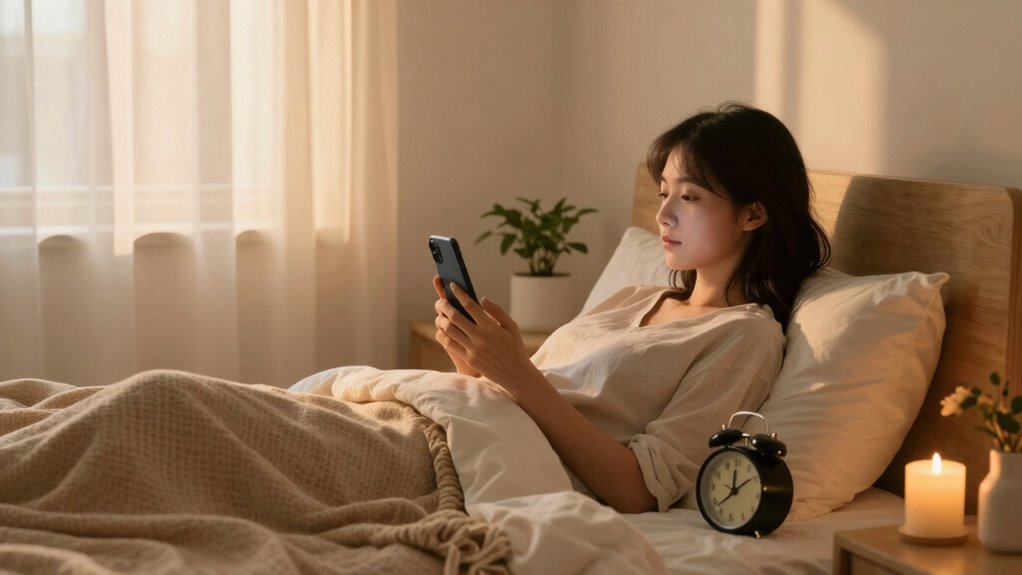
In today’s digital age, women often find it challenging to prioritize rest amid constant notifications and screen time. To help, try implementing a digital detox before bed—turn off devices at least an hour before sleep to reduce blue light exposure. Establish a calming morning routine that avoids screens, such as stretching, reading, or practicing mindfulness, to set a peaceful tone for the day. Limit your use of social media and emails during your evening hours, creating boundaries that protect your sleep. Incorporate simple activities like journaling or listening to soothing music to relax your mind. These small changes help signal your body it’s time to rest, making it easier to prioritize sleep despite the digital distractions surrounding you. Recognizing the importance of template compatibility tools can also significantly enhance your sleep quality and overall restfulness. Additionally, using a noise machine for sleep can create a peaceful environment that promotes restful sleep.
Frequently Asked Questions
How Does Screen Time Affect Hormonal Balance in Women?
Screen time can cause hormonal disruption in women by interfering with your sleep. The blue light emitted from screens suppresses melatonin production, making it harder to fall asleep. Poor sleep then affects your hormonal balance, disrupting estrogen and progesterone levels. Over time, this cycle can lead to irregular periods, mood swings, and other hormonal imbalances. Limiting screen time before bed helps restore your sleep and supports healthier hormone regulation.
Are There Specific Apps or Devices That Are Better for Reducing Screen Exposure?
You can choose apps like Freedom, StayFocusd, or Screen Time to help with a screen detox, as they block distracting sites and limit usage. Devices with built-in digital boundaries, like iPhones’ Screen Time or Android’s Digital Wellbeing, also help you set limits. These tools encourage you to reduce screen exposure, especially before bed, supporting better sleep and hormonal balance. Implementing these strategies makes it easier to manage your screen time effectively.
Can Screen Time Impact Women’s Menstrual Cycles or Fertility?
Yes, your screen dependency might be quietly sabotaging your fertility by messing with your menstrual cycles. Constant digital exposure can disrupt your sleep, hormone balance, and even ovulation. A digital detox isn’t just trendy; it’s essential. So, put down that device, give your body a break, and see if your cycle thanks you. Remember, sometimes unplugging is the best way to get back in sync.
How Does Blue Light Specifically Interfere With Women’s Sleep Quality?
Blue light disruption interferes with your sleep by suppressing melatonin production, making it harder to fall asleep and stay asleep. When you’re exposed to blue light before bedtime, your body perceives it as daytime, delaying the natural sleep signals. This melatonin suppression disrupts your circadian rhythm, leading to poorer sleep quality, increased wakefulness during the night, and feeling less rested in the morning.
What Are the Long-Term Health Consequences of Chronic Screen Overuse for Women?
Chronic screen overuse can lead to serious health issues for women, including increased risk of screen addiction and mental health impact. Over time, excessive screen time may cause anxiety, depression, and diminished cognitive function. It also disrupts your sleep patterns, further affecting your overall well-being. If you don’t set boundaries, you might face long-term consequences like chronic stress, poor physical health, and reduced life satisfaction.
Conclusion
If you want better sleep and overall wellness, it’s time to break free from screens before bed. Think of it as turning off your enchanted mirror—your phone—so you can truly rest and recharge. By creating a screen-free zone and setting boundaries, you’ll reclaim your nights and wake up refreshed. Remember, in this digital age, prioritizing your well-being isn’t just a trend; it’s essential for thriving amid the chaos.