TL;DR

Get self-care favorites delivered free with Prime
- Fast, free delivery on millions of items
- Prime Video, Amazon Music and more included
- Member-only deals all year
A Marie Claire report on the Paris collections describes a softer take on the opera-house dressing trend, pairing familiar eveningwear codes with fluid, delicate fabrics and movement. Lanvin, Issey Miyake, Dior and Chanel were among the houses whose collections illustrated the shift; the report also suggests shawls, jackets and accessories as ways to adapt the look.
A Marie Claire report from Paris fashion season describes designers giving the familiar opera-house dressing trend a softer direction, pairing tuxedo jackets, capes and other eveningwear references with lighter fabrics, delicate textures and fluid silhouettes. The report highlights collections by Lanvin, Issey Miyake, Dior and Chanel, suggesting the shift is less about abandoning formal codes than expressing them with greater movement and romance.
The report says tuxedo jackets, cummerbunds, tassels, intricate beading, capes and shawls continued to appear across the collections. What changed, according to its author, was the feel of those references: the season’s opera-house looks used more feminine fabrics and delicate textures, with a romantic quality. The article presents this as an observation from the shows, not as a formal trend announcement by the designers.
At Lanvin, creative director Peter Copping drew on what the report calls a “constellation of artistic influences,” including artist and actor Anjelica Huston, choreographer Pina Bausch, curator Thelma Golden, designer Tina Chow and house founder Jeanne Lanvin. The collection included black-and-white tailoring and fluid dresses inspired by the 1920s, with the house’s archives informing its references.
The report describes Issey Miyake as bringing a theatrical quality to its presentation. A performance with dancers using long lengths of fabric led into the runway show, while the collection explored the Japanese concept of ma—the space between things—through the relationship between fabric and the body. At Dior, Jonathan Anderson focused on air and motion, using lace, silk mousseline and organza. The article also notes Chanel’s easeful tailoring and recurring bird and sky motifs, which it reads as part of Matthieu Blazy’s playful approach to the house’s codes.
Eveningwear Moves Beyond Formality
The development matters to readers because the report frames opera-inspired dressing as a set of adaptable style references, rather than a look reserved for formal occasions. Shawls, capes, scarves and structured jackets can carry the theatrical mood, while lighter textiles and softer shapes alter how those pieces read. The article’s styling suggestions include an opera shawl, a silk scarf, a poncho, a reversible coat, evening jackets, embellished accessories and dresses.
That range also shows how the trend can accommodate different levels of formality. A brooch, tassel clutch or hairpin can add a decorative reference without requiring a full evening gown; a sculptural dress or velvet piece makes the idea more direct. These are examples selected by the article, not evidence of sales performance or broad consumer adoption. The source does not report market data, and its account should be understood as a fashion editor’s reading of the collections.
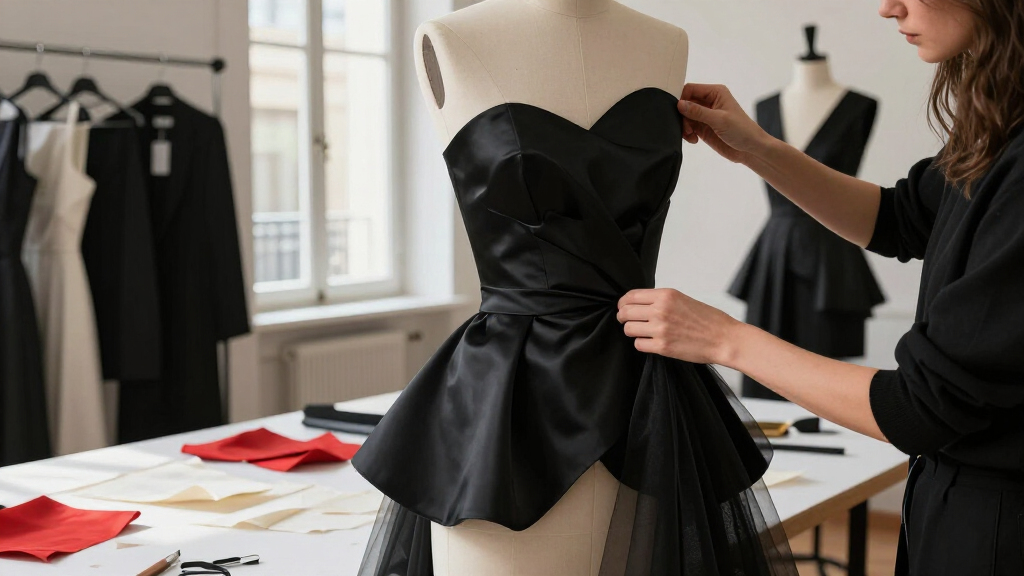
The contrast between masculine tailoring and airy fabrics is another practical takeaway. A sharply cut jacket can retain the structure associated with eveningwear while silk, organza or other flowing materials soften its effect. That balance, rather than a single required garment, is the report’s clearest account of what feels fresh about the trend.
As an affiliate, we earn on qualifying purchases.
The Season’s Paris Runway References
The report places the trend within the spring collections shown in Paris. Its author describes looking back on the season after returning from the city, drawing comparisons across multiple runway presentations rather than focusing on one collection or a standalone event. The examples span established fashion houses, including Lanvin, Chanel, Dior, Issey Miyake, Tom Ford, Schiaparelli and Saint Laurent.
At Lanvin, the historical reference was explicit: the collection drew on the house’s archives and Jeanne Lanvin’s legacy. The report also recounts the author’s personal connection to that history, saying she attended the show wearing her grandmother’s archival Jeanne Lanvin feather-and-velvet shawl. At Dior, Anderson described air as a material and considered how a garment behaves in a breeze. The article quotes him on lightness and motion, linking the design idea to the collection’s use of lace, silk mousseline and organza.
Chanel’s collection is described through its tailoring and bird and sky motifs, while Issey Miyake’s presentation paired performance with clothing. Together, these examples provide the report’s basis for calling the season’s interpretation softer and more romantic. They do not establish that every Paris designer adopted the same approach.
“a “constellation of artistic influences””
— Marie Claire report on Peter Copping’s Lanvin collection
As an affiliate, we earn on qualifying purchases.
How Broad the Shift Really Is
The report offers an editorial interpretation of selected collections, not a survey of every designer or a measure of how widely the trend has spread. It does not establish whether the softer approach will continue into later seasons, how consumers are responding, or whether the suggested pieces are available in all markets. The article’s product and styling references show ways to interpret the look, but do not confirm that any item is newly launched or selling strongly.
The source also does not provide a publication date, runway dates, prices or detailed product availability. Its account of the collections and the quoted design rationale can be attributed to the report, but the longer-term significance of the trend remains open.
delicate beaded evening accessories
As an affiliate, we earn on qualifying purchases.
As an affiliate, we earn on qualifying purchases.
From Runway Ideas to Styling
The immediate next step for readers is translating the runway references into choices that suit their own wardrobes and occasions. The report points to shawls, capes, scarves and structured jackets as entry points, alongside evening dresses and decorative accessories. Its examples encourage mixing a formal silhouette with softer fabric or adding a single ornamental detail, rather than treating the trend as a strict dress code.
Beyond those styling ideas, the source identifies no upcoming announcement, collection release or scheduled event tied to the trend. Whether the softer opera-house approach becomes a lasting seasonal direction will depend on future collections and retail availability; the report does not make a prediction.
As an affiliate, we earn on qualifying purchases.
Key Questions
What is the opera-house dressing trend?
In this report, it refers to eveningwear cues such as tuxedo jackets, capes, shawls, tassels and beading. The spring collections discussed pair those references with lighter fabrics and more fluid shapes.
Which designers are highlighted?
The report discusses Lanvin, Issey Miyake, Dior and Chanel in detail, with additional collection references to Tom Ford, Schiaparelli and Saint Laurent.
What makes this season’s version different?
The article characterizes it as softer and more romantic, with delicate textures, feminine fabrics and a stronger emphasis on movement alongside traditional eveningwear details.
How can someone wear the look?
The report suggests trying a shawl, scarf, cape, structured jacket or embellished accessory, or choosing an evening dress in a fluid or textured fabric. These are styling ideas from the article, not requirements.
Is this confirmed as a lasting fashion trend?
No. The source reports an interpretation of the Paris collections, but does not provide evidence about future seasons, consumer demand or sales. How long the direction lasts remains unclear.
Source: rss
Halloween Picks
halloween
As an affiliate, we earn on qualifying purchases.