TL;DR

Get self-care favorites delivered free with Prime
- Fast, free delivery on millions of items
- Prime Video, Amazon Music and more included
- Member-only deals all year
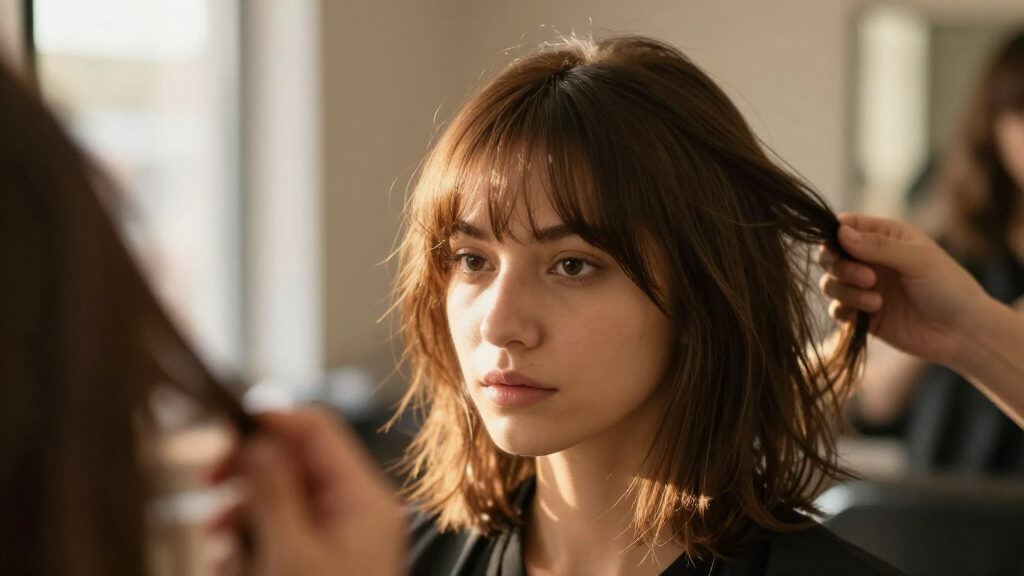
Glamour UK has reported on butterfly bangs, a face-framing fringe that combines airy, brow-skimming strands with layers that fan out toward the cheekbones. Celebrity hairstylist Chris Appleton described the cut and offered styling guidance; how it looks depends on the cut and the wearer’s hair and features.
Butterfly bangs, a fringe style blending curtain-bang movement with the coverage of a French fringe, are the subject of a Glamour UK report featuring celebrity hairstylist Chris Appleton. The cut has shorter, airy strands at the center and longer face-framing layers that fan toward the cheekbones, offering readers a specific reference to discuss with a stylist.
Appleton told Glamour UK that the bangs take their name from the shape of butterfly wings. He described them as lighter and wispier than a traditional full fringe, with shorter layers near the crown blending into longer sections down the sides. In an Instagram comment cited by the magazine, he characterized the middle as shorter and airy, with the sides “winging out at the cheekbones” to create movement.
The magazine positions the look between curtain bangs and a denser French-style fringe: fine strands skim the brow, while the sides merge into the rest of the haircut. Appleton said the cut can be adapted by changing its density. He suggested that lighter bangs can soften angular features and fuller bangs can add volume for people with round or oval faces; these are his styling recommendations, not guarantees about how a cut will suit every individual.
For a salon appointment, Appleton recommends requesting soft face-framing layers that blend into the haircut. He said stylists can use overdirection and point-cutting to encourage the outward flip. For styling, he recommends a volumiser for bounce and describes a 1990s-style blowout as a fitting pairing. The report also suggests that the look can be worn with different hair textures and lengths, including curly hair, bobs and lobs.
A Fringe Built Around Face-Framing Layers
The style’s appeal, as presented in the report, is its combination of forehead coverage and softer, longer sides. That gives people considering bangs a middle-ground reference: less separated from the haircut than a blunt fringe, but more present across the brow than many curtain-bang shapes. The distinction also gives clients and stylists a clearer way to talk about the desired shape and movement.
Appleton’s advice puts density and blending at the center of the look rather than treating the name as a fixed formula. That matters because fringe length, texture and how the sides connect to the rest of the hair can change the result. Readers can use the term as a starting point, while bringing reference images and discussing how much brow coverage and styling effort they want.
The report’s claims about flattering different face shapes are attributed to Appleton and should be understood as professional guidance, not a universal rule. Hair texture, growth patterns, cut and personal preference all affect the outcome. The article mentions products from Color Wow, but its product suggestions are recommendations rather than evidence that a particular product is necessary.
As an affiliate, we earn on qualifying purchases.
From Jennifer Lawrence to the Salon Chair
Glamour UK links renewed attention to the style to Jennifer Lawrence, who, the magazine reports, worked with Appleton on a fringe change as autumn arrived. The article says Lawrence had debuted blunt Birkin bangs the previous September, then later appeared with the softer style Appleton called butterfly bangs. That timeline is the magazine’s account of the look’s visibility; it does not establish how widely the cut is being adopted.
The report compares the shape with curtain bangs and with fuller fringes associated with celebrities including Sabrina Carpenter and Dakota Johnson. It also notes versions worn with straight, wavy and curly hair, as well as bobs and longer cuts. These examples show the range the magazine highlights, but they are not a formal survey of salon trends.
““Butterfly bangs are a type of bang that fan out to frame your face.””
— Chris Appleton, speaking to Glamour UK
face-framing layered bangs styling tools
As an affiliate, we earn on qualifying purchases.
As an affiliate, we earn on qualifying purchases.
How Widely the Style Will Catch On
The report does not provide salon data, search figures or other measurements showing how common butterfly bangs are or whether interest is rising. Calling them a latest fringe refresh reflects the article’s framing, not a quantified trend finding. It is also unclear how long the look will remain prominent beyond the autumn coverage.
Results will vary with hair texture, cut and styling, and the article does not set out a single length or density that defines every version. Appleton’s suggestions about face shapes are advice attributed to him; the report does not offer independent testing or evidence that one density is best for a particular face shape. No information is provided about maintenance schedules or how often the fringe needs trimming.
As an affiliate, we earn on qualifying purchases.
Discuss the Shape Before Cutting
For anyone considering the cut, the next step is a consultation with a stylist about center length, density and side layers. Appleton’s recommendation is to ask for soft layers that blend into the rest of the hair; clients can also discuss whether they want a wispy or fuller center and how the fringe will sit with their natural texture. Reference photographs can help clarify the amount of brow coverage and outward movement.
The style’s look after the appointment will depend partly on how it is dried and shaped. Appleton recommends a volumiser and a blowout for bounce, but the report does not establish that either is required. Readers should ask their stylist how to maintain the shape at home and when a trim may be needed. Further evidence of the trend’s reach would require reporting beyond the examples in the magazine article.
As an affiliate, we earn on qualifying purchases.
Key Questions
What are butterfly bangs?
Butterfly bangs are a face-framing fringe with shorter, airy strands at the center and longer layers that fan outward toward the cheekbones, according to hairstylist Chris Appleton.
How are butterfly bangs different from curtain bangs?
The report describes butterfly bangs as having more brow-skimming coverage in the center, with lighter layers that blend into longer sides. Curtain bangs are used as a comparison for their face-framing movement, rather than as an identical cut.
What should I ask a stylist for?
Appleton recommends asking for soft face-framing layers that blend into the rest of the hair. Discuss the desired center length, density and outward movement with the stylist before cutting.
Can butterfly bangs work with curly or wavy hair?
Glamour UK features versions with curly and wavy hair, as well as straight hair. The result will depend on the individual’s texture and cut, so a stylist can advise how to shape the fringe for the way the hair naturally sits.
How are butterfly bangs styled?
Appleton recommends a volumiser for bounce and says the fringe pairs well with a 1990s-style blowout. These are his suggestions; the article does not say that specific products or a blowout are necessary.
Source: rss
Fall Picks
fall essentials
As an affiliate, we earn on qualifying purchases.